Category: Home Improvement

  • How Does a Heat Exchanger Work?

    How Does a Heat Exchanger Work?

    A heat exchanger is a device specifically designed to transfer heat from one fluid to another without allowing the two fluids to mix. This process is widely used across many industries, including manufacturing, energy production, HVAC, food processing, and chemical engineering. Modern industrial solutions, such as those highlighted on see more, focus on maximizing heat transfer efficiency while maintaining durability and operational safety.

    The Basic Working Principle of a Heat Exchanger

    The fundamental purpose of a heat exchanger is simple: move heat from a hot medium to a cooler one. This is achieved by separating the fluids with a solid surface, usually made of metal due to its excellent thermal conductivity. As the hot fluid flows along one side of this surface, heat passes through the material and is absorbed by the cooler fluid on the other side.

    The two fluids can be liquids, gases, or a combination of both. Since they never come into direct contact, heat exchangers are ideal for applications where hygiene, safety, or chemical separation is essential.

    How Heat Transfer Occurs

    Heat exchangers rely on three main modes of heat transfer:

    Conduction occurs when heat passes through the solid wall separating the fluids. Metals such as stainless steel or titanium are commonly used because they conduct heat efficiently.

    Convection takes place when heat is transferred between the fluid and the surface of the heat exchanger. Faster fluid movement usually increases heat transfer efficiency.

    Temperature difference drives the entire process. The greater the difference between the hot and cold fluids, the more effective the heat exchange will be.

    The design of the exchanger aims to optimize all three factors to achieve maximum performance.

    Types of Heat Exchangers

    There are several heat exchanger designs, each suited to specific operating conditions:

    Plate Heat Exchangers

    Plate heat exchangers consist of multiple thin metal plates pressed together. The plates create channels through which hot and cold fluids flow alternately. This design offers a large surface area in a compact space, resulting in high thermal efficiency. They are commonly used in HVAC systems, food and beverage processing, and pharmaceutical production.

    Shell and Tube Heat Exchangers

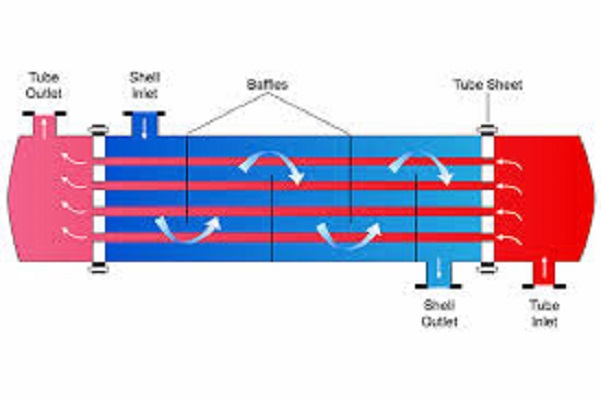
    This traditional design features a series of tubes enclosed within a cylindrical shell. One fluid flows through the tubes, while the other flows around them. Shell and tube exchangers are known for their strength and are often used in high-pressure and high-temperature environments such as oil refineries and power plants.

    Air-Cooled Heat Exchangers

    Instead of using water, these exchangers rely on ambient air to cool fluids. Fans force air over finned tubes, making them suitable for locations with limited water availability.

    Flow Configurations and Efficiency

    The way fluids flow through a heat exchanger significantly affects its performance. There are three main flow arrangements:

    • Parallel flow, where both fluids move in the same direction
    • Counterflow, where fluids move in opposite directions
    • Crossflow, where fluids move perpendicular to each other

    Counterflow heat exchangers are generally the most efficient because they maintain a consistent temperature difference along the entire length of the exchanger.

    Why Heat Exchangers Matter in Industry

    Heat exchangers play a vital role in improving energy efficiency. By recovering waste heat and reusing it elsewhere in a system, they help reduce fuel consumption and operating costs. This not only saves money but also lowers environmental impact by reducing emissions.

    They also enhance process control by maintaining stable temperatures, protecting equipment from thermal stress, and extending the lifespan of industrial machinery.

    Maintenance and Reliability

    Proper maintenance is essential for ensuring long-term heat exchanger performance. Regular cleaning prevents fouling and scaling, which can significantly reduce heat transfer efficiency. Components such as gaskets, seals, and plates must be inspected periodically to prevent leaks and maintain safety.

    Well-maintained heat exchangers provide reliable operation, minimal downtime, and consistent thermal performance.

    Conclusion

    A heat exchanger works by transferring heat between two fluids through a solid surface using the principles of conduction, convection, and temperature difference. With various designs available—such as plate, shell and tube, and air-cooled exchangers—these devices can be adapted to almost any industrial or commercial application. Their efficiency, versatility, and reliability make heat exchangers an indispensable part of modern engineering systems.

  • The Essential Role of Builder’s Bags in Today’s Construction and Trade Industries

    The Essential Role of Builder’s Bags in Today’s Construction and Trade Industries

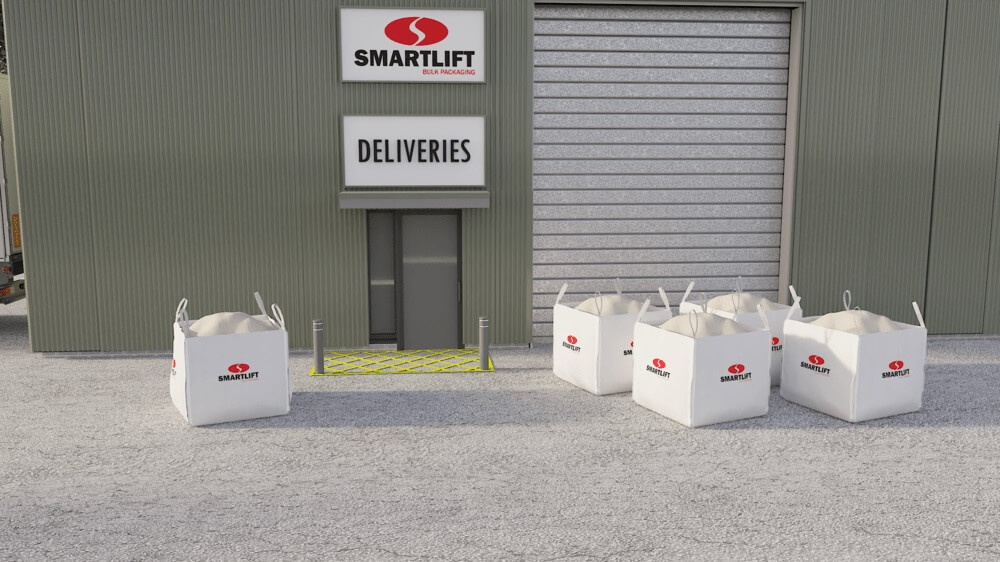
    If there’s one item you’ll find on almost every construction site in the UK, it’s the builder’s bag. Rugged, dependable and incredibly versatile, these bags have become a foundation of day-to-day site operations—used by builders, landscapers, merchants, waste companies and tradesmen nationwide.

    While simple at first glance, a builder’s bag plays a big role in keeping projects running efficiently.

    A Workhorse for All Types of Materials

    Builder’s bags—often referred to as bulk bags or tonne bags—are specially designed to carry heavy aggregates such as sand, gravel, ballast, topsoil, hardcore, bricks and mixed waste. Their strength and capacity make them ideal for both transporting materials and keeping sites organised.

    High-quality versions use dense woven polypropylene with reinforced stitching to withstand the daily demands of working environments. This durability is one of the main reasons the trade continues to rely on them.

    Why Builder’s Bags Are Still the Industry Favourite

    1. Safe Lifting and Handling

    The bags are engineered to be compatible with cranes, forklifts and telehandlers, giving teams a reliable solution for moving materials around the site without interrupting workflow.

    2. Space-Saving and Efficient

    Unlike rigid containers, builder’s bags can be stored flat, stacked, or moved quickly when needed. They take up minimal space when empty, which helps keep sites tidy and manageable.

    3. Cost-Effective for High-Volume Use

    With construction becoming increasingly cost-conscious, builder’s bags offer excellent value. Their long service life and ability to handle heavy loads make them an economical alternative to metal skips or reusable crates.

    4. Versatile Enough for Any Project

    From small domestic landscaping jobs to large industrial builds, builder’s bags adapt easily to different requirements. They’re equally popular with merchants delivering materials as they are with site teams managing waste and debris.

    Choosing a Quality Supplier Matters

    Not all builder’s bags are equal. Industrial operations depend on bags that meet high strength ratings, consistent manufacturing standards, and reliable lifting performance.

    Smartlift Bulk Packaging produces industry-grade builder’s bags designed specifically for demanding construction environments. For companies looking to source robust, reliable options, their full range can be found here:
    https://www.smartliftbulkpackaging.co.uk/product/builders-bags/

    High load capacity, reinforced loops and durable fabric construction make these bags a trusted choice for professionals who want materials handled safely and efficiently.

  • Hello Services – Professional Cleaning and Property Services Across the UK

    Hello Services – Professional Cleaning and Property Services Across the UK

    When it comes to maintaining a clean, safe, and well-managed property, choosing a reliable service provider makes all the difference. Hello Services is a trusted UK-based property services company delivering professional cleaning, removals, clearance, and handyman solutions to customers nationwide. With a strong focus on quality, transparency, and customer satisfaction, Hello Services supports homeowners, tenants, landlords, letting agents, and commercial clients with dependable results.
    Trusted Property Services You Can Rely On

    Hello Services offers a complete range of professional cleaning services in the UK, designed to meet both residential and commercial needs. All services are carried out by fully trained and insured teams, ensuring every job is completed to a high standard.

    Their cleaning solutions include deep cleaning services for properties that need thorough attention, as well as one-off deep cleaning for occasional or urgent requirements. For tenants and landlords, end of tenancy cleaning ensures properties are left in excellent condition, helping to secure deposits and prepare homes for new occupants.

    After renovation or construction work, after builders cleaning restores properties to a clean and safe state. Specialist services such as carpet and rug cleaning, appliance cleaning service, and hoarder cleaning service address more complex cleaning challenges with professionalism and care.

    Residential and Commercial Cleaning Solutions

    As a reliable residential cleaning company, Hello Services helps homeowners maintain a healthy and comfortable living environment. Their House cleaning services are flexible and tailored to individual needs, whether for routine maintenance or move-related cleaning.

    For businesses, Hello Services delivers dependable commercial cleaning services, ensuring offices, retail spaces, and commercial properties remain clean, presentable, and compliant with hygiene standards. Their property cleaning services are suitable for properties of all sizes, making them a preferred choice for ongoing and one-off requirements.

    Removals, Property Clearance, and Handyman Support

    In addition to cleaning, Hello Services provides professional removals and man with a van services, making moving home or office simple and stress-free. Their experienced teams handle belongings with care and efficiency, helping customers manage relocations smoothly.

    For properties requiring decluttering or preparation for sale or rental, property clearance services are available nationwide. For homeowners needing assistance with repairs, installations, and general maintenance tasks, professional local handyman services London can provide reliable support for a wide range of household jobs.

    Nationwide Coverage with Flexible Booking

    Hello Services operates nationwide across the UK, offering reliable cleaning services seven days a week. With opening hours from 7:00 am to 7:00 pm, customers can book services at times that suit their schedules. Transparent pricing and flexible booking options ensure there are no surprises, only professional results.

    Supporting Landlords and Letting Agents

    Landlords and letting agents benefit from tailored landlord cleaning services, including move out cleaning, move in cleaning, and ongoing property maintenance. By keeping properties clean and well-maintained, Hello Services helps protect property value and improve tenant satisfaction.

    Why Choose Hello Services?

    • Trusted UK-based cleaning and property services company
    • Fully trained and insured teams
    • Nationwide cleaning services
    • Transparent pricing and flexible bookings
    • Excellent customer reviews
    • One provider for multiple property needs

    Whether you are searching for a cleaning company near me, need specialist cleaning services, or require complete property support, Hello Services delivers professional solutions tailored to every requirement.

    Contact Hello Services

    Business Name: Hello Services
    Website: https://helloservices.co.uk/
    Telephone: 0203 633 4555
    Address: 46 Harvey House, Green Dragon Lane, Brentford, United Kingdom, TW8 10J
    Opening Hours: 7 days a week, 7:00 am – 7:00 pm
    Facebook: https://www.facebook.com/helloservicesltd
    Google Maps: https://share.google/tA4UirlmmB7Ts3osj

    For professional cleaning, removals, clearance, and handyman services you can trust, Hello Services is your reliable nationwide partner.

  • How We Made Our House Extension Eco-Friendly

    How We Made Our House Extension Eco-Friendly

    When we decided to add a garden room extension last year, I knew from the start that sustainability had to be at the heart of every decision. I’ve spent the last decade trying to reduce our household’s environmental impact, and it felt utterly wrong to compromise on that just because we needed more space. The roof, surprisingly, became one of the most interesting parts of the project in terms of making genuinely green choices.

    Why Roofing Matters for Sustainability

    I’ll be honest, I’d never given much thought to roofs beyond keeping the rain out. But when you start looking into it, the environmental impact is significant. Traditional roofing materials often involve energy-intensive manufacturing processes, questionable extraction methods, and terrible end-of-life disposal issues. Plus, poorly designed roofs contribute to heat loss in winter and overheating in summer, meaning more energy wasted on heating and cooling.

    The more I researched, the more I realised this was an area where we could make choices that actually mattered, rather than just ticking a token eco-box.

    Finding the Right Advice

    I spoke to several contractors initially, and most just wanted to slap on whatever standard materials they always used. The conversations felt frustratingly superficial and I felt like I was being so misled. Then someone recommended roofing-luton.com, and honestly, it was night and day compared to previous discussions.

    They actually listened when I explained our priorities around sustainability. Rather than dismissing it as awkward or expensive, they talked through genuinely viable options that would work for our budget and our building. It felt collaborative rather than me having to push against resistance the whole time.

    Green Roof Options We Considered

    A living roof was my initial dream. The idea of having sedum and wildflowers on top of our extension appealed enormously, both aesthetically and environmentally. Living roofs provide incredible insulation, manage rainwater beautifully, create habitat for insects and birds, and just look stunning.

    The advice I got was refreshingly pragmatic though. Our extension roof had limited load-bearing capacity, and retrofitting it to support the weight of a living roof would have been prohibitively expensive. Rather than just saying no, they suggested we design the structure to accommodate a living roof if we wanted to add one in future, which felt like a sensible compromise.

    What We Actually Chose

    We ended up going with a combination approach that balanced environmental impact with practicality. The main roofing membrane is EPDM rubber, which has a significantly longer lifespan than traditional felt – we’re talking thirty years plus. That longevity matters because it means less frequent replacement and less waste ending up in landfill.

    EPDM is also recyclable at end of life, unlike many roofing materials that just get skipped. The manufacturing process is less energy-intensive than some alternatives, and crucially, it doesn’t involve the toxic chemicals you find in some waterproofing systems.

    We maximised insulation using sheep’s wool rather than synthetic alternatives. It performs beautifully thermally, it’s a renewable resource, and it doesn’t involve the environmental cost of producing foam or mineral wool insulation. Yes, it cost slightly more, but the performance and sustainability credentials made it worthwhile for us.

    Solar Integration

    The extension roof faces south, and it seemed ridiculous not to make use of that. We’ve installed solar panels that generate a decent proportion of our electricity needs. On sunny days we’re often exporting power back to the grid, which feels genuinely satisfying.

    Integrating solar from the start meant we could design the roof structure to accommodate the mounting system properly, rather than trying to retrofit panels later. The roofing team worked with the solar installer to coordinate everything, which prevented the usual issues of different trades blaming each other when things don’t quite fit.

    Rainwater Harvesting

    We’ve set up rainwater collection from the new roof that feeds into a water butt system for the garden. It’s a simple addition but makes a tangible difference to our water usage, particularly during summer when we’re watering vegetables and flower beds.

    The roof design incorporated proper guttering and downpipes from the start, positioned to make water collection straightforward. These small details matter when you’re trying to create genuinely sustainable systems rather than just adding tokenistic green features.

    The Reality of Sustainable Choices

    I won’t pretend everything was straightforward or that sustainable options are always cheaper. In some cases, we paid a premium for materials with better environmental credentials. But the long-term view matters here – better insulation means lower heating bills indefinitely, solar panels generate free electricity for decades, and durable materials mean less frequent replacement.

    Some compromises were necessary too. We couldn’t afford every single eco-option we’d have liked. But making informed choices about where to prioritise sustainability, based on genuine expert advice rather than marketing waffle, meant we could focus our budget on things that would have the most impact.

    What I’d Tell Others

    If you’re planning any roofing work and care about environmental impact, push contractors to engage seriously with sustainable options. Don’t accept “that’s just how we do things” as an answer. There are alternatives available now that weren’t viable even five years ago.

    Find professionals who actually understand sustainable building practices rather than just paying lip service to them. The difference in the quality of advice and the end result is substantial.

    Think long-term rather than just upfront costs. Yes, better materials and more insulation cost more initially, but the lifespan, performance, and reduced running costs make them worthwhile investments.

    The Bigger Picture

    Our roof is obviously just one small part of addressing climate impact, but these individual choices add up. If more people demanded sustainable options for building work, the industry would shift to make them standard rather than special requests.

    I’m genuinely pleased with how our extension roof turned out. It performs well, it’ll last for decades, and it aligns with our values around trying to reduce environmental harm. That matters to me, even if it’s just a roof on one small extension in one ordinary house.

  • Plate Testing: Essential Ground Investigation for Safe Construction Projects

    Plate Testing: Essential Ground Investigation for Safe Construction Projects

    Plate load testing represents a fundamental site testing method in civil engineering, providing reliable data about the strength and bearing capacity of ground conditions. At Site Testing Services (Nationwide) Ltd, we understand that successful construction projects depend on comprehensive ground investigation, and plate bearing tests deliver the reliable results needed to ensure the project’s success. This in situ test method has become indispensable for evaluating whether sites have sufficient bearing capacity to support construction equipment, temporary structures, and permanent foundations.

    Understanding Plate Load Testing and How It Works

    Plate load testing, also known as the plate bearing test, is an in situ test that measures the bearing capacity and settlement characteristics of soil or construction materials under controlled loading conditions. The test measures how the ground responds to increasing load applied through a circular steel plate, providing valuable insights into deformation characteristics and safe bearing capacity at the test location.

    Plate testing involves placing a steel plate directly onto the prepared ground surface and applying load increments through a hydraulic jack while monitoring settlement. The loading plate, typically a circular steel plate with standardised plate diameter options ranging from 300mm to 750mm, distributes the applied load across a defined area. As the load is applied progressively, dial gauges or electronic sensors measure vertical displacement, creating a graphical representation of the load-settlement relationship.

    This test measures the subgrade reaction and strain modulus of the ground, which are critical design parameters for civil engineering purposes. The data collected helps engineers determine the ultimate bearing capacity and predict likely settlement under various loading scenarios, from crane outriggers to heavy tracked plant operations.

    The Plate Bearing Test Procedure

    Professional plate bearing test work begins with careful preparation of the test location. The test area must represent typical ground conditions for the project, with the surface levelled and any loose material removed. For working platform construction or granular layer assessment, testing may occur at different depths within a shallow pit to evaluate conditions at specific levels.

    The test plate, usually a rigid bearing plate made of steel, is positioned on the prepared surface. A reaction load system provides the necessary resistance for the hydraulic jack to apply force against. This reaction load required can be supplied by various means, including kentledge (dead weight), a piling rig, or anchored beams, depending on the maximum applied load needed and site constraints.

    Load increments are applied systematically, with each increment maintained until settlement stabilises before proceeding to the next level. The load applied at each stage is recorded along with corresponding settlement readings from multiple dial gauges positioned around the test plate. This process continues until reaching the maximum applied load specified in the testing program or until excessive settlement occurs.

    Modern plate load testing equipment allows test results to be analysed electronically, providing immediate feedback and same-day provisional data. This enables rapid quality control decisions and reduces construction risk by identifying ground conditions issues before major construction activities commence.

    Applications in Construction and Civil Engineering

    Plate testing serves numerous civil engineering purposes across diverse construction projects. One primary application involves assessing working platforms for construction equipment. When contractors need to bring heavy machinery, including mobile cranes with crane outriggers or tracked plant, onto a site, plate bearing tests verify that the platform construction provides adequate support. The test measures whether crane pads and working platforms have sufficient bearing capacity to prevent excessive settlement that could compromise equipment stability and site safety.

    For temporary structure design, plate load testing provides essential design parameters. Construction sites often require temporary access roads, storage areas, or support structures that must safely carry a given load without failing. The bearing pressure data obtained through plate testing ensures these temporary installations meet safety requirements while remaining cost-effective.

    The relationship between plate bearing test results and California Bearing Ratio (CBR test) values provides additional utility. Engineers can derive an equivalent CBR value from plate testing data, enabling correlation with pavement design standards. This dual functionality makes plate testing particularly valuable for road construction and working platform construction projects involving granular materials.

    Foundation design for permanent structures also benefits from plate load testing. The test results reveal settlement characteristics and bearing capacity of the ground at proposed foundation levels, informing decisions about foundation type, size, and depth. Understanding deformation characteristics helps engineers predict long-term settlement behaviour and design appropriate foundation solutions.

    Advantages of In Situ Plate Testing

    Conducting plate bearing tests as in situ site conditions testing offers significant advantages over laboratory-based methods. Testing ground in its natural state, including existing moisture content, density, and stress conditions, provides more representative, reliable data than laboratory samples that may be disturbed during collection and preparation.

    The plate size can be selected to match specific project requirements, with larger plate diameter options used when assessing capacity for heavy loads or when investigating deeper soil influence zones. This flexibility allows tailoring the test work to project-specific needs, whether evaluating shallow granular layers or deeper foundation conditions.

    Plate testing delivers accurate and reliable data relatively quickly, with many tests completed and analysed electronically within the same day. This rapid turnaround supports efficient project scheduling and enables timely decision-making. The cost-effective nature of plate bearing tests, compared to more extensive ground investigation methods, makes them accessible for projects of various scales.

    The graphical representation produced from test results provides an intuitive visualisation of ground behaviour. Load-displacement curves clearly show how settlement progresses with increasing load, helping identify the safe bearing capacity where settlement remains acceptable. This visual data supports communication between site testing professionals, design engineers, and construction teams.

    Technical Considerations and Quality Assurance

    Achieving reliable results from plate load testing requires attention to numerous technical factors. The test location must be carefully selected to represent typical ground conditions for the construction area. For working platforms, testing should occur after the granular layer has been properly compacted and before construction equipment operations begin.

    The reaction load required must be sufficient to apply the maximum applied load safely and stably. The hydraulic jack and supporting framework must be positioned to ensure vertical load application without eccentric loading that could skew test results. Proper calibration of measurement instruments, whether traditional dial gauges or electronic sensors, ensures data accuracy.

    Quality control procedures verify that test work follows established standards and protocols. At Site Testing Services (Nationwide) Ltd, our experienced team ensures every plate bearing test measures ground response accurately, following best practices for equipment setup, load application, and data recording. This attention to quality control minimises construction risk and provides confidence in the bearing capacity assessments used for critical project decisions.

    Conclusion

    Plate testing remains an essential tool for evaluating the capacity of the ground across diverse construction projects. Whether assessing working platforms for crane outriggers, verifying adequate support for tracked plants, or determining design parameters for civil engineering structures, plate load testing provides the accurate and reliable data needed for informed decision-making.

    At Site Testing Services (Nationwide) Ltd, we deliver comprehensive site testing services, including plate bearing tests that provide valuable insights into ground conditions. Our cost-effective testing solutions, available with same-day results that can be analysed electronically, support the project’s success by identifying potential issues before they become costly problems. Understanding how the plate bearing test works and applying this knowledge appropriately ensures construction projects proceed safely on ground with sufficient bearing capacity for their intended purpose.

  • Wall Decor Trends That Will Define the Next Decade

    Wall Decor Trends That Will Define the Next Decade

    Interior design moves in cycles, but every so often, we hit an inflection point where everything shifts. We’re standing at one of those moments right now. The wall decor trends emerging today aren’t just aesthetic preferences—they’re reflections of how we’re rethinking our relationship with our living spaces. After years of minimalism’s dominance and the subsequent maximalist rebellion, what’s coming next feels different. More intentional. More personal.

    The rise of luxury brand art is reshaping how people think about wall decor. We’re seeing a fascinating crossover where fashion and interior design intersect in ways that would have seemed gauche a decade ago. Louis Vuitton wall art, Chanel prints, and Hermès-inspired pieces aren’t just for boutiques anymore—they’re becoming statement pieces in residential spaces. This isn’t about logos plastered everywhere; it’s more sophisticated than that. People are drawn to the design language of these brands, the color palettes, the artistic heritage. A carefully chosen piece can anchor an entire room’s aesthetic while signaling cultural literacy rather than simple brand worship.

    Sustainability is moving beyond buzzword status into actual practice. The next decade will see a major shift toward reclaimed materials, upcycled frames, and artists who work with found objects. But here’s what’s interesting: sustainable wall art doesn’t look “eco” in the crunchy, earnest way it used to. Modern sustainable pieces are sleek, sophisticated, and often indistinguishable from traditional art until you learn their origin story. Gallery walls featuring reclaimed wood frames or prints on recycled materials are becoming status symbols in their own right.

    Digital art has finally earned its place on the wall. Not just through NFTs (which had their moment) but through high-quality digital frames that actually look like art rather than screens. The technology has caught up with the concept. These frames can rotate collections, adjust to lighting conditions, and display work from emerging digital artists. For collectors with limited wall space, this solves a real problem while opening up entirely new possibilities for what wall decor can be.

    Texture is making a dramatic comeback, but with more restraint than the macramé explosion of recent years. We’re talking about subtle bas-relief pieces, mixed media that plays with dimension, and artwork that demands to be experienced in person rather than through Instagram. This trend pushes back against our increasingly digital lives—these pieces don’t photograph well, and that’s precisely the point. They reward physical presence.

    Color is getting bolder, but in unexpected ways. The next decade won’t be about accent walls in trendy colors. Instead, we’re seeing people use wall art to introduce color in more dynamic, changeable ways. Large-scale abstract pieces in jewel tones, gradients that shift as light changes throughout the day, and unexpected color combinations that wouldn’t work in paint but somehow succeed in art form.

    Cultural fusion is moving beyond appropriation into genuine collaboration. Artists are blending influences in ways that feel authentic rather than borrowed. Wall decor is becoming a place where different cultural aesthetics meet, merge, and create something new. This isn’t about decorating with generic “ethnic” pieces—it’s about understanding and celebrating artistic traditions while pushing them forward.

    The next decade of wall decor will be defined by pieces that tell stories, respect their origins, and refuse to be ignored. Safe choices are out. Personality is everything.

  • One Sophia Singapore – The New Benchmark for Urban Luxury Living in District 9

    One Sophia Singapore – The New Benchmark for Urban Luxury Living in District 9

    Singapore’s city skyline is about to get a major upgrade — and it’s called One Sophia. Sitting proudly at 1 Sophia Road, this mixed-use development redefines what it means to live, work, and play in the heart of the city. Designed for forward-thinkers who value both heritage and modernity, One Sophia is where timeless sophistication meets urban innovation.

    A Fresh Chapter on Historic Ground

    Before One Sophia, there was the Peace Centre and Peace Mansion, landmarks that stood tall for decades. Their legacy lives on through this new transformation. The developers didn’t just replace old structures; they’ve elevated the entire site — giving the space a new identity without erasing its history.

    The result? A 99-year leasehold development that blends tradition with modern urban rhythm — an address that respects the past but is fully geared for the future.

    Prime Location: The Beating Heart of Singapore

    When it comes to real estate, three words matter most: location, location, location. And One Sophia nails all three.

    Nestled in District 9, one of Singapore’s most prestigious zones, it places residents right in the middle of action — between Dhoby Ghaut, Orchard Road, and Bugis. You’re literally minutes away from the city’s best dining, shopping, entertainment, and business spots.

    • Connectivity: Dhoby Ghaut MRT interchange (North-South, Circle, and North-East Lines) is just a short walk away. You also have Bencoolen and Bras Basah MRTs close by, giving you seamless access across Singapore.
    • Lifestyle: With Orchard Road’s high-end retail and the vibrant Bugis arts scene nearby, you’ll never run out of things to do.
    • Education & Essentials: From the School of the Arts (SOTA) to SMU and top medical facilities — everything’s within reach.

    For city lovers, this is as central as it gets. For investors, it’s a golden ticket into Singapore’s most coveted property zone.

    The Development: A City Within a City

    One Sophia isn’t just a residential project — it’s a mixed-use masterpiece.

    Spanning over 76,600 square feet, it features:

    • Two elegant 19-storey residential towers
    • A 13-storey office block
    • A retail podium for shopping, dining, and leisure

    This blend of residential, commercial, and lifestyle spaces makes it more than a home — it’s a self-contained urban ecosystem.

    There are 367 residential units, offering a range of layouts — from compact one-bedrooms ideal for singles and young professionals, to spacious three-bedroom units built for families. Every unit is designed for efficiency and comfort, with open layouts, natural light, and city views that remind you daily why you chose to live here.

    Crafted by Trusted Developers

    One Sophia is developed by CEL Development in partnership with SingHaiyi Group — two heavyweights in Singapore’s property scene. Their combined track record guarantees high construction standards, smart design, and long-term value.

    With a TOP (Temporary Occupation Permit) expected in 2029, this project is built for buyers and investors who think ahead. Patience will pay off — because developments of this scale and location don’t come by often.

    Design Philosophy: Where Modern Meets Mindful

    Step into One Sophia, and you’ll see how it merges sleek architecture with thoughtful design. The interiors are crafted to balance elegance with function — high ceilings, open layouts, and minimalist touches that amplify space and light.

    Outside, landscaped terraces and green spaces create a refreshing contrast to the city’s buzz. Amenities like infinity pools, sky decks, and fitness zones ensure residents enjoy both serenity and vitality, without ever leaving home.

    Investment Outlook: The Smart Money Move

    Let’s be real — District 9 properties are never cheap. But One Sophia isn’t about affordability; it’s about long-term potential.

    Here’s why investors are paying attention:

    • Prime address in the core city centre
    • Mixed-use design that diversifies income sources (residential + commercial rental potential)
    • Strong developer backing and modern infrastructure
    • High tenant demand due to proximity to business hubs and schools

    Even with its 99-year leasehold status, One Sophia holds excellent prospects for capital appreciation and steady rental yield. For many, it’s not just a property — it’s a legacy investment.

    Why One Sophia Resonates with the Times

    Modern buyers want flexibility — a home that fits multiple lifestyles. One Sophia offers exactly that. Whether you’re an entrepreneur who values proximity to clients, a creative who thrives on city energy, or a family seeking both prestige and convenience, this address adapts to your rhythm.

    And yet, beneath its sleek, glassy exterior, it holds a traditional core value — location-based security. The same principle that’s driven real estate success for generations still applies here: prime land never goes out of style.

    Final Thoughts: Living the Future, Honoring the Past

    One Sophia isn’t just another condo — it’s a vision of what city living can become. It celebrates Singapore’s progress while paying homage to its roots. With its strategic location, bold architecture, and community-driven planning, it’s more than a home; it’s a statement.

    Whether you’re buying to live or to invest, One Sophia is a property that stands for something timeless — urban sophistication anchored in heritage.

  • River Modern and Faber Residence: Comparing Floor Plans and Layouts for Optimal Living

    River Modern and Faber Residence: Comparing Floor Plans and Layouts for Optimal Living

    When purchasing a property in Singapore, understanding the floor plan and layout is crucial. The way a home is designed affects daily comfort, functionality, and long-term value. Two residential developments that stand out for their thoughtful layouts are River Modern and Faber Residence.

    While both developments provide premium living, their unit designs reflect different priorities, catering to diverse lifestyles and investment strategies. This article explores the floor plans, functional layouts, and spatial advantages of each development to help buyers make informed decisions.

    River Modern Floor Plan: Compact, Efficient, and Modern

    River Modern emphasizes modern, efficient layouts designed for urban living. Its floor plans maximize space without compromising functionality, making it attractive to professionals, couples, and investors.

    Key Features of River Modern Floor Plans:

    • Open-Concept Layouts: Living, dining, and kitchen areas flow seamlessly, creating an airy and spacious feel despite compact unit sizes.
    • Natural Light Optimization: Floor-to-ceiling windows and thoughtful orientation ensure ample sunlight in all main areas.
    • Smart Bedroom Designs: Efficient use of space with integrated storage and optimized layouts for small to medium-sized units.
    • Balcony Integration: Some units include balconies or loggias, adding functional outdoor space and city views.
    • Multi-Functional Spaces: Units allow flexible use of corners and rooms, making them ideal for home offices or hobby areas.

    The River Modern floor plan is perfect for buyers seeking modern, city-fringe living with efficient, functional designs. Its layouts are also rental-friendly, appealing to investors who want units that attract tenants quickly.

    Faber Residence Floor Plan: Spacious, Family-Friendly, and Flexible

    In contrast, Faber Residence offers generous, family-oriented layouts that prioritize comfort, flexibility, and long-term livability. Its floor plans are designed to meet the needs of families, long-term homeowners, and those who value space.

    Key Features of Faber Residence Floor Plans:

    • Spacious Bedrooms and Living Areas: Ample space for family activities and privacy.
    • Flexible Room Configurations: Some rooms can serve as home offices, study areas, or hobby rooms.
    • Separation of Spaces: Thoughtful layout ensures bedrooms and living areas are distinct for privacy and comfort.
    • Outdoor Access: Balconies and terraces enhance indoor-outdoor living and provide natural ventilation.
    • Low-Density Design: Fewer units per floor enhance privacy and a sense of exclusivity.

    The Faber Residence floor plan focuses on long-term comfort, flexibility, and family-centric living, appealing to those who prioritize space and lifestyle over compact efficiency.

    Floor Plan Comparison

    FeatureRiver Modern Floor PlanFaber Residence Floor Plan
    Unit SizeCompact, efficientSpacious, flexible
    Target ResidentsProfessionals, investorsFamilies, long-term homeowners
    Living LayoutOpen-concept, multifunctionalSpacious, private, adaptable
    Outdoor IntegrationBalconies/loggiasBalconies and terraces
    Investment PotentialStrong rental appealLong-term appreciation

    While River Modern focuses on efficiency and modern city-living, Faber Residence prioritizes space, comfort, and family adaptability, highlighting the difference in lifestyle orientation between the two developments.

    Choosing the Right Floor Plan

    When selecting between the two, consider a broader checklist for buying your first home to ensure you evaluate factors such as layout, location, legal requirements, and long-term suitability before making a decision.

    • River Modern if you prefer compact, functional, modern layouts with high rental demand and city-fringe convenience.
    • Faber Residence if you value spacious, flexible layouts, a family-friendly environment, and long-term comfort and privacy.

    Understanding the nuances of each floor plan ensures that your property choice aligns with both your lifestyle and investment goals.

    Conclusion

    Both River Modern and Faber Residence offer thoughtful floor plans tailored to specific needs:

    • River Modern: modern efficiency and urban convenience
    • Faber Residence: spacious, family-oriented comfort and flexibility

    By evaluating floor plans alongside lifestyle, family needs, and investment priorities, buyers can select a development that not only enhances daily living but also provides long-term value in Singapore’s real estate market.

  • A Tranquil Escape in the City

    A Tranquil Escape in the City

    Urban living often comes with noise, congestion, and stress, but Promenade Peak offers a sanctuary where residents can escape the city’s hustle without leaving its conveniences behind. This development blends modern design, luxurious amenities, and natural elements to create a home that feels like a retreat every day. At Promenade Peak, serenity and sophistication coexist, allowing residents to enjoy the best of both worlds.

    Architecture That Promotes Calm

    Promenade Peak’s architecture prioritizes peace and comfort. Open layouts, large windows, and thoughtfully designed terraces maximize natural light and airflow, creating a sense of openness and tranquility. The building’s aesthetic is elegant yet understated, allowing residents to feel elevated without ostentation. Every structural choice is designed to enhance calm and balance in daily life.

    Interiors That Inspire Relaxation

    Inside, Promenade Peak offers interiors that soothe the senses. Neutral color palettes, natural materials, and open spaces create an environment that feels both luxurious and calming. Bedrooms, living areas, and kitchens are arranged for comfort and ease, while lighting and finishes are carefully selected to support relaxation. These interiors turn everyday living into a restorative experience.

    Amenities That Encourage Wellness

    Promenade Peak’s amenities are designed to support both physical and mental wellness. Fitness centers, yoga and meditation decks, swimming pools, and landscaped gardens provide spaces for activity and relaxation. Residents can exercise, meditate, or unwind without leaving the development, integrating wellness effortlessly into their routines.

    Nature at Your Doorstep

    Biophilic design is a key feature of Promenade Peak. Landscaped gardens, green terraces, and water features connect residents to nature, reducing stress and enhancing wellbeing. Walking paths and outdoor seating areas provide moments of calm, making the environment feel like a natural escape even in a bustling city.

    Private Retreats for Solitude

    Privacy is essential for tranquility, and Promenade Peak offers it in abundance. Balconies, terraces, and quiet corners allow residents to relax, reflect, or enjoy moments of solitude. Thoughtful orientation and soundproofing minimize urban noise, creating personal retreats within the home that encourage mental clarity and peace.

    Smart Technology for Effortless Living

    Modern conveniences at Promenade Peak enhance the feeling of serenity. Smart home systems control lighting, temperature, and security, allowing residents to manage their environment effortlessly. Energy-efficient and automated features reduce stress, creating a lifestyle that feels seamless, secure, and modern.

    Family-Friendly Tranquility

    Promenade Peak is designed for families who value both convenience and peace. Safe play areas, communal gardens, and activity zones ensure children can enjoy freedom and fun, while adults benefit from wellness-focused amenities and private spaces. Families experience a balanced lifestyle where daily life is smooth, safe, and harmonious.

    Sustainable Design That Supports Wellbeing

    Sustainability enhances comfort and tranquility at Promenade Peak. Energy-efficient lighting, eco-conscious construction materials, and green landscaping reduce environmental impact while improving air quality and comfort. Residents enjoy a healthy, responsible lifestyle that complements the serene atmosphere of the development.

    Community That Values Harmony

    A calm, supportive community is part of Promenade Peak’s appeal. Shared spaces encourage meaningful interactions without compromising privacy, fostering connections that enhance social wellbeing. Residents experience both community engagement and personal space, creating a balanced and harmonious living environment.

    Luxury That Feels Natural

    Luxury at Promenade Peak is understated, emphasizing comfort and elegance rather than extravagance. High-quality materials, thoughtful layouts, and cohesive design create spaces that feel effortless and refined. This type of luxury promotes relaxation and wellbeing, ensuring that residents feel nurtured every day.

    Daily Life Elevated

    Promenade Peak transforms everyday living into a tranquil experience. Residents enjoy serene interiors, wellness-oriented amenities, green surroundings, and supportive community spaces. It’s a home that balances city convenience with a retreat-like atmosphere, allowing residents to recharge, focus, and thrive. Living here is proof that tranquility and urban sophistication can exist together seamlessly.

  • Retail Therapy and Boutique Shopping Near Zyon Grand

    Retail Therapy and Boutique Shopping Near Zyon Grand

    Introduction

    Living at Zyon Grand along Zion Road provides residents with convenient access to a vibrant retail landscape. River Valley offers an enticing mix of boutique shopping, lifestyle stores, and luxury outlets, combining everyday convenience with opportunities for indulgence. From high-end fashion to artisanal products, residents can enjoy a diverse shopping experience right at their doorstep.

    Great World City: The Central Shopping Destination

    Great World City serves as the main retail hub near Zyon Grand.

    • Fashion and Apparel: International brands, seasonal collections, and local boutiques.
    • Home and Lifestyle Stores: Furniture, décor, wellness, and everyday essentials.
    • Entertainment and Leisure: Cineplex, fitness centers, and recreational zones for a complete lifestyle experience.

    This one-stop destination ensures that residents have access to all necessary shopping conveniences.

    Boutique Shops and Specialty Stores

    River Valley offers intimate and personalized shopping experiences beyond large malls.

    • Independent Boutiques: Unique clothing, accessories, and niche fashion items.
    • Artisan Shops: Handmade crafts, bespoke products, and curated lifestyle goods.
    • Specialty Stores: Catering to hobbies, wellness, and creative pursuits.

    These boutique options allow residents to enjoy shopping with character and quality.

    Luxury Retail and Designer Outlets

    High-end shopping is within easy reach for residents seeking premium products.

    • Designer Fashion: International luxury brands available at nearby malls and specialty stores.
    • Jewelry and Watches: Exclusive pieces for collectors and those seeking statement accessories.
    • Luxury Home Décor: Premium furnishings and décor items for stylish living.

    Luxury retail complements the exclusive lifestyle that Zyon Grand offers.

    Culinary and Lifestyle Shops

    Lifestyle and gourmet shopping enrich everyday life.

    • Gourmet Food Stores: Specialty cheeses, wines, and organic products.
    • Wellness and Beauty Stores: Organic skincare, wellness supplements, and fitness gear.
    • Cafés and Delis: Quick bites, coffee, and artisanal pastries for residents on the go.

    These stores combine convenience with indulgence for a modern urban lifestyle.

    Family-Oriented Shopping

    Families at Zyon Grand enjoy a variety of child-friendly retail options.

    • Toy Stores and Children’s Apparel: Catering to infants, toddlers, and school-aged children.
    • Educational Shops: Books, learning tools, and creative materials.
    • Family Services: Stores offering essentials like baby products, nutrition, and accessories.

    These options ensure families have convenient access to everything they need.

    Local Markets and Pop-Up Events

    Weekend markets and pop-ups provide a unique shopping experience.

    • Farmers’ Markets: Fresh produce, artisanal goods, and organic offerings.
    • Seasonal Pop-Ups: Rotating stores featuring local brands and international products.
    • Community Events: Combining shopping, food, and cultural experiences for residents.

    These events offer novelty and excitement beyond traditional retail.

    Accessibility and Convenience

    Zion Road’s central location enhances shopping convenience.

    • Walking Distance: Easy access to Great World City and boutique stores.
    • Public Transport: Nearby MRT stations and bus routes simplify commuting.
    • Central Proximity: Quick trips to Orchard Road, Marina Bay, and other shopping districts.

    Residents enjoy a seamless blend of convenience and retail variety.

    Comparison with Other Districts

    River Valley’s retail offerings stand out among Singaporean neighborhoods.

    • Orchard Road: Primarily high-end luxury shopping with heavy crowds.
    • Marina Bay: Luxurious but less boutique-focused.
    • River Valley: Combines mall convenience, boutique charm, and neighborhood accessibility.

    This makes Zion Road ideal for residents who value variety and convenience.

    Impact on Property Value

    Proximity to diverse shopping options enhances Zyon Grand’s attractiveness.

    • High Resident Demand: Families, professionals, and expatriates prioritize retail accessibility.
    • Rental Appeal: Properties near shopping hubs attract tenants willing to pay premium rates.
    • Long-Term Investment: Neighborhood convenience contributes to stable appreciation.

    Retail-rich surroundings add both lifestyle and financial value for homeowners.

    Everyday Shopping Convenience

    Living near retail and boutique stores makes daily life easier and more enjoyable.

    • Quick Errands: Supermarkets, specialty stores, and cafés within walking distance.
    • Leisure Shopping: Weekend trips for fashion, lifestyle, and gourmet finds.
    • Social Experiences: Retail hubs often host events, workshops, and pop-ups enhancing community engagement.

    Residents enjoy the perfect balance of practicality and indulgence in their shopping experiences.

    Conclusion

    Zion Road in River Valley offers an unmatched retail landscape for residents of Zyon Grand. From Great World City’s comprehensive mall experience to intimate boutique stores, luxury outlets, and family-oriented shops, the neighborhood caters to every lifestyle need. Convenient access, variety, and quality combine to create a shopping experience that complements the modern, sophisticated living Zyon Grand provides.

  • Why Wallpaper Murals Are Trending in Bangkok Interiors

    Why Wallpaper Murals Are Trending in Bangkok Interiors

    Interior Design Bangkok scene always embraces a blend of bold expression and refined elegance. Wallpaper murals align perfectly with this sensibility: they offer impact without requiring structural changes. Designers in 2025 are increasingly favoring murals over traditional wallpapers or plain painted accent walls — murals act like a built-in piece of art rather than just decoration.

    In a city like Bangkok, where space is often premium, murals allow interiors to feel deeper and more expansive. A mural with a forest scene, tropical palms, or a cityscape can create a sense of openness, even inside dense urban buildings. And for Bangkok’s climate—humid and warm—murals printed on suitable materials are durable, washable, and well-suited for modern interiors.

    Wall murals also tie in neatly with Bangkok’s cultural and visual identity. Many murals draw on local motifs: temple silhouettes, city skylines, rivers, tropical foliage, or traditional Thai patterns. These references bring a sense of place and identity into an interior setting. For instance, murals of Bangkok temples, riverfront views, or stylized Thai patterns are widely available from specialty wallpaper suppliers.

    Types of Wallpaper Murals to Consider

    Here are some mural styles gaining traction in Bangkok interiors:

    • Photorealistic / Panoramic Scenes: Full-wall landscapes, cityscapes, beaches, or forest canopies that feel like you’ve stepped into another world.
    • Abstract & Geometric Murals: Bold shapes, lines, and color fields that add energy and modern flair without being literal.
    • Botanical & Biophilic Themes: Lush foliage, jungle leaves, tropical palms — these are trending globally and especially relevant in tropical climates where nature is a source of calm.
    • Cultural & Artistic Motifs: Murals inspired by Thai art, traditional murals, or stylized local patterns can lend authenticity and local character.
    • Metallic & Textural Finishes: Murals printed with metallic inks, shimmer effects, or slight embossing add depth and elegance — catching the light in subtle ways.

    How to Use Murals in Your Bangkok Interiors

    To maximize the impact of a mural, consider these strategies:

    1. Feature / Accent Wall – Choose one wall in a living room, bedroom, or dining area to carry the mural. The rest of the space can remain more neutral to let the mural shine.
    2. Ceiling Murals – Turn the “fifth wall” into something dramatic: clouds, sky, foliage, or abstract designs can raise the perceived height.
    3. Niches and Alcoves – Use a mural inside shelving niches, behind built-in furniture, or as a backdrop to a bed or desk.
    4. Seamless Installation – Proper alignment is crucial. Hire professionals who understand mural installation (to avoid bubbles, misalignment, or seams).
    5. Color Harmony – Match tones in furniture, textiles, and lighting with the mural palette. Let your mural guide your color scheme rather than compete with it.
    6. Balance and Restraint – Because murals are inherently bold, balance them with simpler textures or more neutral elements in upholstery or decor so the space doesn’t feel overwhelming.

    Why Elementi Interiors Should Leverage Murals

    At Elementi Ltd, offering mural wallpaper as part of your service positions you at the forefront of Bangkok’s interior design trends. You can extend your portfolio by sourcing high-quality digital mural prints (custom or off-the-shelf) and ensuring skilled installation. A mural can elevate your projects: clients see their walls as custom works rather than generic décor.

    Moreover, murals tell stories — they can reflect the client’s personality, echo the locality of Bangkok, or reference nature and tranquility in the urban environment.

    Conclusion

    Wallpaper murals are more than a passing design fad — they represent a new frontier in wall decor, combining art, depth, and identity in one bold gesture. In Bangkok’s interior design market, where visual impact and layered style matter, murals deliver significant ROI in aesthetic appeal and client delight. As you expand your offerings at Elementi Interiors, consider making wallpaper murals a signature feature of your design repertoire.

  • How to Remove Burnt Residue From Pots and Pans

    Burnt residue can make your pan look like it belongs in a museum, complete with a sign saying, ‘evidence of early human cooking.’

    It’s tempting to give up and start shopping for a shiny new replacement, but don’t write it off just yet. Most of the time, all it takes is the right method and a little patience to peel back the charred layers and reveal your trusty pan underneath.

    Stick with us, and we’ll show you exactly how to do it without endless scrubbing or fancy sprays.

    Assess the Damage

    Before grabbing anything, take a second to check the situation. Not all burnt messes are created equal.

    Sometimes, it’s just a faint scorch mark that needs little more than soap and warm water. Other times, it’s a thick, black crust that looks like it could survive an apocalypse.

    It’s also important to consider the type of pan you’re using. Stainless steel can handle more wear and tear compared to non-stick surfaces.

    Cast iron, on the other hand, is in a league of its own. It’s tough, yes, but if you soak it too long, you’ll invite rust to the party.

    That little bit of know-how can be the difference between a successful cleaning session and one that ends in disaster. Without it, scratches, warped bases, and peeling coatings are all too common, and they’re far tougher to fix than a bit of burnt food.

    Choose the Right Cleaner

    Once you’ve figured out what kind of problem you’re dealing with, it’s time to pick your weapon of choice.

    That said, keep in mind that there’s no point reaching for a heavy-duty product when a gentler option will do the trick.

    For light smudges, DIY cleaners like baking soda, white vinegar, or even coarse salt can break down residue without harming the surface.

    However, tougher cases need more muscle. Commercial products exist for this exact reason, and they work like a charm—just check that they’re safe for the pan’s surface.

    In any case, steer clear of bleach or ammonia, since they can be too harsh for delicate cookware and can cause discolouration or damage over time.

    And if your pan is non-stick, you’ll want to be extra careful. One overzealous spray and that slick finish might never be the same again.

    Soak the Cookware

    Sometimes, the simplest solution really is the best. Before you break out the big guns, try letting hot, soapy water do the heavy lifting. Pour some in the pan, let it sit for at least 30 minutes, and then check if anything has loosened up.

    That said, this isn’t one-size-fits-all. For example, soaking non-stick pans for too long isn’t the best move, as too much time in the water can shorten their lifespan.

    Cast iron is even fussier. If you let it sit too long, this can cause rust, so keep the water to a minimum and dry it thoroughly straight after. For stainless steel, longer soaking is usually safe and helps with tough, burnt bits.

    Clean Without Wrecking the Pan

    Once you’re done soaking your pot, it’s time to roll up your sleeves. But here’s the golden rule: Don’t go at it like you’re sanding a floorboard. Heavy scrubbing can do more harm than good, especially when you’re dealing with non-stick, ceramic, or enamelled pans.

    Instead, use a sponge and some warm water, applying minimal pressure to remove the scorched bits.

    If burnt food sticks like glue, mix baking soda with a little water and spread a thick layer of this paste. Then, let it sit for 15 to 20 minutes. That will give it time to break down the gunk, so there’ll be no need for harsh scrubbing.

    Still no luck? Bring on the heat. Pour in equal parts vinegar and water, boil it for a few minutes, and let that acidic steam loosen up the grime. Once cool, wipe it all out with a sponge or cloth.

    Some cases need extra grit. Sprinkle coarse salt on a damp sponge and scrub gently. It’ll add just enough abrasion without harming the surface. This works well for stainless steel, but skip this on delicate finishes.

    And as tempting as steel wool or metal scrubbers might be, avoid using them unless the pan is pure metal with no coating. Most cookware can’t handle it. A nylon scrubber is a safer bet if more pressure is needed.

    However, if this sounds too complex or you’re pressed for time, consider calling in a housemaid service.

    This way, you can say goodbye to guessing games and scrubbing until your arms give out. They walk in with the right tools, the right products, and the kind of experience that makes even the grimiest pans look brand new.

    Prevent Future Burnt Residue

    Now that your pan is clean again, the best thing you can do is stop the next mess before it starts.

    Burnt-on residue usually comes down to two things: too much heat or not enough liquid. So, turn down the heat when cooking. Lower temperatures mean less chance of food welding itself to the surface.

    A light coat of oil or water at the bottom can stop food from sticking to your cookware. And yes, even non-stick pans benefit from a little extra buffer every now and then.

    Another smart habit is to clean up your pots right after cooking. Leftover grime hardens as it cools, so a quick rinse or gentle wipe while the pan is still warm will make everything easier. Just wait a few minutes after removing them from the heat—no need to burn your hand.

    These little tweaks don’t take much effort, but they’ll save you from the kind of scrubbing session that makes you question all your life choices.

    Conclusion

    Sure, your pan might look tragic in the moment, but it’s nothing you can’t handle. So, don’t let a bit of burnt food make you commit to a life of takeaway.

    Try out one of these methods and give that crusty mess a run for its money. Who knows, you might even end up bragging about your pan-rescuing skills next time you have dinner with friends.