
Resin Bonded Surfaces: Best Uses and Advantages for Residential Driveways and Gravel Surfacing
Choosing the right surface for a residential outdoor space is about more than just looks alone. Homeowners want a surface that not only looks good but also performs well, last for years, and remains safe and clean in everyday use.
Resin bonded surfacing has gradually earned a reputation as a reliable option for residential properties. Homeowners appreciate that it delivers the classic gravel look without the ongoing maintenance that loose gravel requires. As a result, it’s become a popular choice for resin gravel driveways and other residential areas.
From driveways and patios to paths and access routes, resin bonded surfaces provide a practical and decorative surfacing solution that works well across a wide range of residential spaces.
What Is a Resin Bonded Surface and How Does It Work
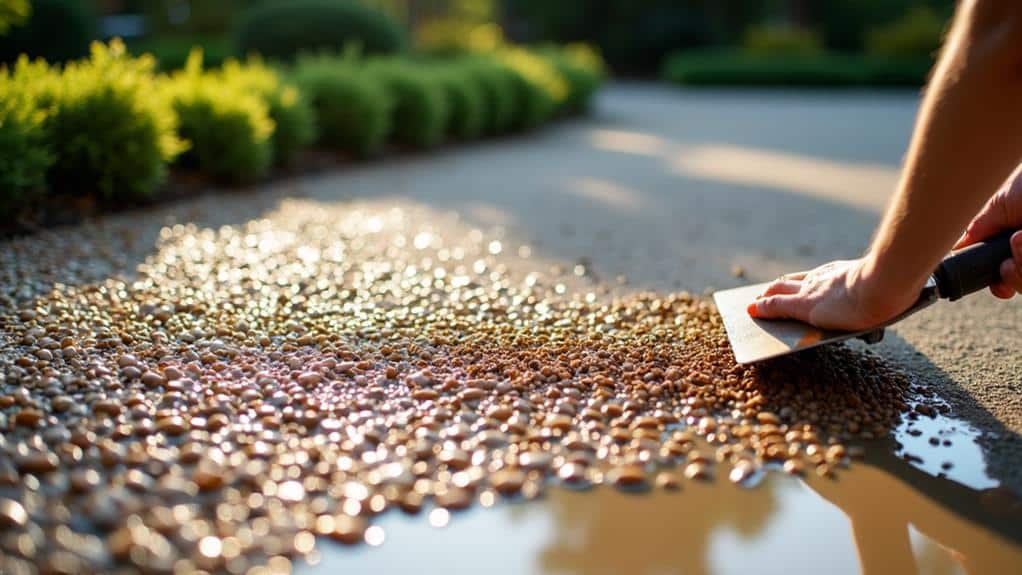
A resin bonded system is created by applying a two-part, or 2-component, polyurethane resin binder onto a prepared base, such as a concrete base or tarmac. Once the resin is spread across the area, you scatter dried aggregates across the surface to fully coat it. After curing, you remove the excess stones, leaving a textured surface that’s slip-resistant.
The end result is a hardwearing surface that gives the appearance of loose gravel without all the hassle and mess that comes with it. Unlike bound gravel, the stones sit on top of the resin layer rather than being mixed through it, which creates a strong bond and a natural look.
Resin Bonded Gravel Driveway Uses and Advantages
One of the most popular residential applications of resin bonded surfacing is on driveways. A resin bonded gravel driveway provides excellent grip whether you’re walking or driving over it, and is suitable for sloped areas as well. The textured finish provides anti-slip protection in wet conditions which is important for safety around the home.
A key advantage of resin bonded surfacing is that it can be laid over existing concrete or tarmac, helping you avoid the hassle of removing the old surface. This makes it quick to install compared to other driveway options. When installed on a solid sub-base, it creates a long-lasting surface that can withstand daily use.
If your home has defined drainage, such as channel drains, a resin bonded driveway is a practical and visually appealing choice.
Resin Bonded Surfacing for Patios and Outdoor Space Design
A patio needs to be both comfortable and durable. Traditional paving options can look harsh, while loose stones can move underfoot and require a lot of maintenance. Resin bonded paving offers a more balanced solution by combining natural aggregate with a solid finish.
This type of surface works particularly well in seating areas, garden walkways, and transitional spaces between lawns and paved areas. Decorative aggregates are available in a range of colours, allowing homeowners to match the look of their resin bonded surface to the style of their garden while enhancing overall aesthetic appeal.
Since the surface is firm and stable, your garden furniture remains level and in place, making your outdoor space far more enjoyable to use every day.
Paths, Access Routes, and Disabled Access Areas
Residential paths also benefit greatly from resin bonded surfacing. The textured finish is slip resistant, making it suitable for walkways, ramps and entrances. It also supports safer disabled access when installed correctly, especially where you need a surface that’s smooth for easy movement but grippy enough to prevent slipping.
In contrast to loose gravel, resin bonded paths don’t spread into lawns or borders, which makes it easier to keep the surrounding area clean and reduces cleaning time. The surface also integrates well with other materials, so you can use it to pave routes between driveways, patios, and garden features.
Parking Areas and Shared Residential Spaces
For shared residential areas such as private roads or parking areas, resin bonded surfacing offers durability without the plain look of asphalt or concrete. The surface can handle vehicle traffic while maintaining a decorative finish that suits residential settings.
The strong bond between the aggregate and resin reduces the surface movement, which helps maintain an even finished surface over time. This makes it a practical option where you need a surface where visual quality and performance are equally important.
Low Maintenance and Long-Term Performance Benefits
One of the key advantages of resin bonded surfacing is it’s low maintenance compared to traditional gravel. There’s none of the hassle of constantly shifting stones and fewer weeds to worry about once the surface is properly installed.
Cleaning the surface is also relatively easy. It usually involves a light sweep and an occasional wash with some mild soap and water. The surface resists wear and tear and stays visually appealing for years, especially when installed by a fully trained professional using quality materials from a reputable resin supplier.
Since the aggregates are fully bonded, the surface stays clean and doesn’t have the mess that often comes with loose gravel.
Appearance, Colour, and Decorative Aggregates
Design flexibility is another reason resin bonded surfaces are popular in residential settings. Decorative aggregates come in many shades and textures, allowing homeowners to create a beautiful blend that matches with their house’s brickwork, fencing or landscaping.
Whether you’re using it for a driveway, path, or patio, the surface delivers a consistent look that enhances the overall appearance of the property. High-quality resin surfaces are often UV-stable, which helps the colour remain bright and vibrant as the years pass.
Difference Between Resin Bound and Resin Bonded
While this article focuses on resin bonded surfacing, it is helpful to know the difference between resin bound and resin bonded to avoid confusion. Resin bound surfacing mixes aggregate and resin together before being trowelled into place. This produces a smooth and fully permeable surface that allows water to be reabsorbed into the ground. This type of finish is commonly used for paths and driveways where water can be a problem.
Resin bonded systems, on the other hand, are non-porous. The aggregates are applied on top of the resin layer rather than mixed in with it. This is usually the preferred option where drainage is already well managed or where a textured finish is the preferred look.
Installation Options, Resin Bonded Kits, and Professional Results
Smaller areas can sometimes be completed using resin bonded kits, resin bonded gravel kits, or gravel kits, which include resin, aggregates, and guidance on how to apply resin. These bonded kits can be useful for a garden path or a small patio where a full resin bound installation isn’t required.
For larger areas like a driveway, it’s best to hire a professional installer. Trained specialists understand proper ground preparation, resin application, and curing times, ensuring the surface is compliant, durable, and visually consistent. Many installers also complete formal training courses to maintain high standards.
Final Thoughts on the Best Uses of Resin Bonded Surfaces
Resin bonded surfacing is a versatile and visually appealing option for residential spaces. It works well for driveways, patios, pathways, and access areas because it delivers strong grip, visual appeal, and a clean finish. With low-maintenance requirements, quick installation, and a wide choice of decorative aggregates, resin bonded surfacing offers a reliable alternative to traditional gravel and paving.
When installed correctly, resin bonded surfaces provide a practical, safe, and visually appealing solution that enhances both everyday use and long-term value of residential outdoor areas.
- Resin Bonded Surfaces: Best Uses and Advantages for Residential Driveways and Gravel Surfacing
 Choosing the right surface for a residential outdoor space is about more than just looks… Read more: Resin Bonded Surfaces: Best Uses and Advantages for Residential Driveways and Gravel Surfacing
 - Family-Friendly Living in Singapore: Balancing Homes with Educational Access
 Choosing a home in Singapore involves more than lifestyle and design—it also requires thoughtful consideration… Read more: Family-Friendly Living in Singapore: Balancing Homes with Educational Access
 - Vertical Blinds Installation in Sydney for Long-Lasting Comfort and Style
 Introduction Window coverings are more significant than most people think when it comes to improving… Read more: Vertical Blinds Installation in Sydney for Long-Lasting Comfort and Style
 - How Does a Heat Exchanger Work?
 A heat exchanger is a device specifically designed to transfer heat from one fluid to… Read more: How Does a Heat Exchanger Work?
 - 2026 Strategic Property Outlook: Why Tengah and Bayshore are the New Pillars of Singapore Real Estate
 As we cross into 2026, the Singapore residential market has entered a phase of “Sustainable… Read more: 2026 Strategic Property Outlook: Why Tengah and Bayshore are the New Pillars of Singapore Real Estate
Resin Bonded Surfaces: Best Uses and Advantages for Residential Driveways and Gravel Surfacing
Vertical Blinds Installation in Sydney for Long-Lasting Comfort and Style
How Does a Heat Exchanger Work?
The Essential Role of Builder’s Bags in Today’s Construction and Trade Industries
Resin Bonded Surfaces: Best Uses and Advantages for Residential Driveways and Gravel Surfacing
Family-Friendly Living in Singapore: Balancing Homes with Educational Access
2026 Strategic Property Outlook: Why Tengah and Bayshore are the New Pillars of Singapore Real Estate