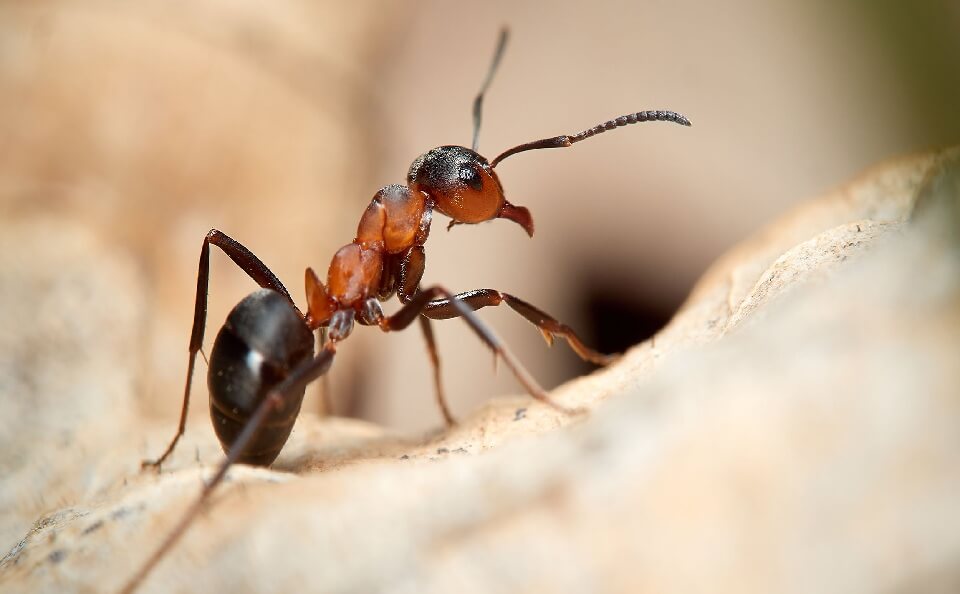
Ant infestations are no longer a minor seasonal nuisance in New Zealand—they are an escalating urban pest issue. Nowhere is this more evident than in Christchurch, where residents and pest control professionals alike are reporting a sharp rise in persistent and difficult-to-control invasions.
Driven by invasive species, climate conditions, and human activity, ants are becoming one of the most widespread and resilient household pests in the country—making ant control Christchurch services more essential than ever.
A Noticeable Increase in Christchurch
In recent years, Christchurch has experienced a clear surge in ant activity, particularly through the warmer months. What were once occasional household annoyances have evolved into ongoing infestations, with many residents finding ants returning again and again despite treatment.
This reflects a broader national trend, as providers of Pest Control Christchurch services report infestations that are larger, more aggressive, and more resistant to traditional control methods.
The Southward Spread of Argentine Ants
A major factor behind this rise is the spread of the Argentine ant (Linepithema humile), one of the world’s most invasive ant species.
Originally introduced into New Zealand through international trade, these ants became established in the upper North Island although at this stage they were not present south of Auckland. While large-scale international events such as the 1990 Commonwealth Games increased the movement of goods and people—and therefore biosecurity risk—the ants’ presence cannot be attributed to any single event.
Instead, their spread has been gradual and ongoing. Over time, Argentine ants have moved south through human-assisted transport, often hitchhiking in:
- Potted plants
- Soil and landscaping materials
- Building supplies
Today, they are firmly established in Christchurch and continue to expand further south as conditions allow.
Why Argentine Ants Are So Difficult to Control
Argentine ants form massive “super-colonies,” allowing multiple nests to operate as one interconnected system. This enables them to dominate entire areas and recover quickly after disruption.
With multiple queens and hidden nesting sites, eliminating them requires more than surface-level treatment. Disturbing a nest without eliminating it often causes the colony to relocate deeper into walls, soil, or structural cavities, making the problem significantly harder to control.
Industry Response: A More Advanced Approach
Local pest control providers are evolving their methods to meet the challenge. Complete Pest Control Christchurch is among those leading the way with more specialised and adaptive treatment systems.
“We don’t rely on a single product or quick fix. We use a varied approach with a full arsenal of treatments, selecting the right combination depending on the infestation and environment.”
The system used has been developed by Key Industries, specifically designed to target invasive ant species such as Argentine ants and large, multi-queen colonies.
“These ants require a completely different strategy. The Key Industries-developed system we use is designed to target the entire colony structure—not just the ants you see—so we can deal with larger infestations effectively and reduce the risk of them returning.”
This tailored approach reflects a broader shift within the industry toward more sophisticated, long-term solutions in Christchurch Pest Control.
Other Common Ant Species
- Darwin ants – invasive and capable of forming large colonies
- White-footed house ants – highly invasive, commonly found in walls, lofts,
and subfloors - Black house ants – commonly found indoors in wall cavities
The presence of multiple species adds complexity, often requiring customised treatment plans.
Why Infestations Are Increasing
- Climate Conditions: Warmer temperatures and longer summers support
rapid colony growth. - Urban Expansion: New developments create ideal nesting
environments. - Human Movement: Plants, soil, and materials continue to spread
infestations. - Ineffective DIY Methods: Disturbed nests often relocate and continue
growing rapidly. - Lack of Awareness: Without proper treatment, infestations will worsen and
become harder to control.
Effective Ant Control Strategies
- Baiting and Colony Elimination: Treatments must reach queens and
nests. - Prevention: Maintain hygiene, seal entry points, and control moisture.
- Professional Expertise: Larger infestations require specialist knowledge
and tools.
Modern Pest Control focuses on long-term colony elimination rather than short-term fixes.
A Growing National Concern
Beyond homes and businesses, invasive ants pose a wider ecological threat, disrupting native ecosystems and displacing local species.
Their continued spread highlights the need for awareness, early intervention, and advanced pest management strategies.
Conclusion
The rise in ant infestations across Christchurch and New Zealand reflects a changing pest landscape. With Argentine ants continuing their southward expansion, managing them requires more than traditional methods.
Targeted, adaptable systems that address the colony as a whole are essential—ensuring not just short-term relief, but long-term control.