
Author: Sarah Sadie

  • The Essential Role of Builder’s Bags in Today’s Construction and Trade Industries

    The Essential Role of Builder’s Bags in Today’s Construction and Trade Industries

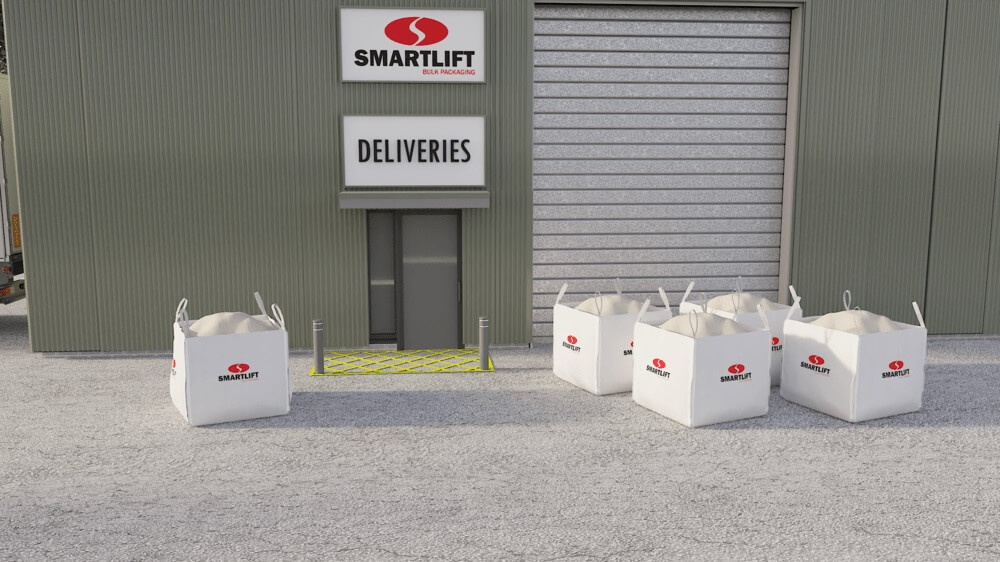
    If there’s one item you’ll find on almost every construction site in the UK, it’s the builder’s bag. Rugged, dependable and incredibly versatile, these bags have become a foundation of day-to-day site operations—used by builders, landscapers, merchants, waste companies and tradesmen nationwide.

    While simple at first glance, a builder’s bag plays a big role in keeping projects running efficiently.

    A Workhorse for All Types of Materials

    Builder’s bags—often referred to as bulk bags or tonne bags—are specially designed to carry heavy aggregates such as sand, gravel, ballast, topsoil, hardcore, bricks and mixed waste. Their strength and capacity make them ideal for both transporting materials and keeping sites organised.

    High-quality versions use dense woven polypropylene with reinforced stitching to withstand the daily demands of working environments. This durability is one of the main reasons the trade continues to rely on them.

    Why Builder’s Bags Are Still the Industry Favourite

    1. Safe Lifting and Handling

    The bags are engineered to be compatible with cranes, forklifts and telehandlers, giving teams a reliable solution for moving materials around the site without interrupting workflow.

    2. Space-Saving and Efficient

    Unlike rigid containers, builder’s bags can be stored flat, stacked, or moved quickly when needed. They take up minimal space when empty, which helps keep sites tidy and manageable.

    3. Cost-Effective for High-Volume Use

    With construction becoming increasingly cost-conscious, builder’s bags offer excellent value. Their long service life and ability to handle heavy loads make them an economical alternative to metal skips or reusable crates.

    4. Versatile Enough for Any Project

    From small domestic landscaping jobs to large industrial builds, builder’s bags adapt easily to different requirements. They’re equally popular with merchants delivering materials as they are with site teams managing waste and debris.

    Choosing a Quality Supplier Matters

    Not all builder’s bags are equal. Industrial operations depend on bags that meet high strength ratings, consistent manufacturing standards, and reliable lifting performance.

    Smartlift Bulk Packaging produces industry-grade builder’s bags designed specifically for demanding construction environments. For companies looking to source robust, reliable options, their full range can be found here:
    https://www.smartliftbulkpackaging.co.uk/product/builders-bags/

    High load capacity, reinforced loops and durable fabric construction make these bags a trusted choice for professionals who want materials handled safely and efficiently.

  • Hello Services – Professional Cleaning and Property Services Across the UK

    Hello Services – Professional Cleaning and Property Services Across the UK

    When it comes to maintaining a clean, safe, and well-managed property, choosing a reliable service provider makes all the difference. Hello Services is a trusted UK-based property services company delivering professional cleaning, removals, clearance, and handyman solutions to customers nationwide. With a strong focus on quality, transparency, and customer satisfaction, Hello Services supports homeowners, tenants, landlords, letting agents, and commercial clients with dependable results.

    Trusted Property Services You Can Rely On

    Hello Services offers a complete range of professional cleaning services in the UK, designed to meet both residential and commercial needs. All services are carried out by fully trained and insured teams, ensuring every job is completed to a high standard.

    Their cleaning solutions include deep cleaning services for properties that need thorough attention, as well as one-off deep cleaning for occasional or urgent requirements. For tenants and landlords, end of tenancy cleaning ensures properties are left in excellent condition, helping to secure deposits and prepare homes for new occupants.

    After renovation or construction work, after builders cleaning restores properties to a clean and safe state. Specialist services such as carpet and rug cleaning, appliance cleaning service, and hoarder cleaning service address more complex cleaning challenges with professionalism and care.

    Residential and Commercial Cleaning Solutions

    As a reliable residential cleaning company, Hello Services helps homeowners maintain a healthy and comfortable living environment. Their House cleaning services are flexible and tailored to individual needs, whether for routine maintenance or move-related cleaning.

    For businesses, Hello Services delivers dependable commercial cleaning services, ensuring offices, retail spaces, and commercial properties remain clean, presentable, and compliant with hygiene standards. Their property cleaning services are suitable for properties of all sizes, making them a preferred choice for ongoing and one-off requirements.

    Removals, Property Clearance, and Handyman Support

    In addition to cleaning, Hello Services provides professional removals and man with a van services, making moving home or office simple and stress-free. Their experienced teams handle belongings with care and efficiency, helping customers manage relocations smoothly.

    For properties requiring decluttering or preparation for sale or rental, property clearance services are available nationwide. For homeowners needing assistance with repairs, installations, and general maintenance tasks, professional local handyman services London can provide reliable support for a wide range of household jobs.

    Nationwide Coverage with Flexible Booking

    Hello Services operates nationwide across the UK, offering reliable cleaning services seven days a week. With opening hours from 7:00 am to 7:00 pm, customers can book services at times that suit their schedules. Transparent pricing and flexible booking options ensure there are no surprises, only professional results.

    Supporting Landlords and Letting Agents

    Landlords and letting agents benefit from tailored landlord cleaning services, including move out cleaning, move in cleaning, and ongoing property maintenance. By keeping properties clean and well-maintained, Hello Services helps protect property value and improve tenant satisfaction.

    Why Choose Hello Services?

    • Trusted UK-based cleaning and property services company
    • Fully trained and insured teams
    • Nationwide cleaning services
    • Transparent pricing and flexible bookings
    • Excellent customer reviews
    • One provider for multiple property needs

    Whether you are searching for a cleaning company near me, need specialist cleaning services, or require complete property support, Hello Services delivers professional solutions tailored to every requirement.

    Contact Hello Services

    Business Name: Hello Services
    Website: https://helloservices.co.uk/
    Telephone: 0203 633 4555
    Address: 46 Harvey House, Green Dragon Lane, Brentford, United Kingdom, TW8 10J
    Opening Hours: 7 days a week, 7:00 am – 7:00 pm
    Facebook: https://www.facebook.com/helloservicesltd
    Google Maps: https://share.google/tA4UirlmmB7Ts3osj

    For professional cleaning, removals, clearance, and handyman services you can trust, Hello Services is your reliable nationwide partner.

  • Sustainable HVAC & Building Upgrades: How to Reduce Energy Bills and Carbon Footprint in Commercial Buildings

    Energy efficiency has become one of the most important priorities for UK businesses. Rising utility costs, tightening environmental regulations, and increasing pressure to meet sustainability goals all mean that organisations must rethink how they heat, cool, ventilate and manage their buildings. Whether you operate a small office, large commercial facility, multi-site estate or specialist environment such as healthcare or hospitality, the way your HVAC systems run has a direct impact on both your carbon footprint and your bottom line.
    Heating, cooling and ventilation can account for as much as 40% of a commercial building’s total energy use, often more if equipment is outdated or poorly maintained. Fortunately, modern HVAC technologies, smarter controls and targeted building upgrades now offer businesses the opportunity to significantly reduce energy consumption while improving comfort, reliability and compliance.

    This guide explores the best sustainable HVAC and building upgrade strategies available to UK organisations today — including heat pumps, efficient replacements, ventilation optimisation, smart controls, and maintenance approaches — along with the benefits these improvements deliver.

    The Growing Need for Sustainable HVAC in the UK

    The UK Government’s commitment to reaching Net Zero by 2050, combined with increasing energy costs and carbon-reduction expectations from customers and stakeholders, means businesses must take measurable steps toward sustainability. Heating and cooling form a large part of operational emissions, particularly in commercial buildings with high occupancy or large floor areas.

    At the same time, older HVAC systems are often:

    • Oversized or undersized
    • Poorly controlled
    • Running inefficiently due to component wear
    • Dependent on outdated refrigerants
    • Costly to operate during peak seasons

    This makes sustainability improvements not only environmentally responsible but also financially strategic.

    The shift to sustainable HVAC is further supported by new technologies, better building management systems (BMS), and financial incentives that help organisations modernise without major disruption.

    Also visit this https://www.4facilities.co.uk

    1. Upgrading to Heat Pumps: A Cleaner Alternative to Gas Heating

    One of the biggest sustainability transitions taking place across the UK is the move away from gas boilers toward air source and ground source heat pumps. These systems are far more energy-efficient because they transfer heat rather than generate it.

    Why heat pumps are a strong option for commercial buildings:

    • Up to 300–400% efficiency: For every 1kW of electricity consumed, heat pumps can provide 3–4kW of heat output.
    • Lower carbon emissions: They significantly reduce Scope 1 emissions in most commercial settings.
    • No onsite combustion: Improved safety and reduced maintenance complexity.
    • Heating and cooling from one system: Useful for mixed-use or variable-temperature buildings.
    • Compatible with many existing HVAC setups: Particularly VRF/VRV systems.

    For businesses renovating older buildings or planning long-term sustainability strategies, heat pumps offer a future-proof path away from fossil fuels.

    2. Improving Ventilation Efficiency & Indoor Air Quality

    Ventilation has taken on a new level of importance in the UK, especially since COVID-19 highlighted the health risks associated with poor indoor air quality (IAQ). But ventilation can also be one of the biggest sources of energy waste if not managed effectively.

    Key ventilation upgrades that support sustainability:

    Heat Recovery Ventilation (HRV)

    Captures heat from outgoing stale air and uses it to warm fresh incoming air.
    Saves energy, stabilises temperatures, and improves comfort.

    Demand-Controlled Ventilation (DCV)

    Uses CO₂ or occupancy sensors to automatically adjust airflow.
    Reduces energy use in under-occupied areas such as meeting rooms or variable-use spaces.

    EC Fan Upgrades

    Replacing older AC motors with energy-efficient EC motors can cut fan running costs dramatically.

    Filter & ductwork improvements

    Dirty or clogged filters and duct systems force equipment to work harder, increasing energy usage and reducing IAQ. Regular maintenance is essential.

    Sustainable ventilation is about balancing fresh air, comfort, and efficiency — achieving all three requires modern controls and good system health.

    3. Smart Controls, BMS Automation & Energy Monitoring

    A high-performing HVAC system depends on the intelligence behind it. Even the most efficient equipment will waste energy if poorly controlled. Many UK commercial buildings still rely on outdated thermostats, manual timers or disconnected systems, making it impossible to manage energy effectively.

    Modern control strategies include:

    Building Management Systems (BMS)

    Centralised control of HVAC, lighting and more. BMS can optimise run times, track performance, and detect faults before they escalate.

    Smart thermostats and zoning

    Allows heating and cooling to be targeted to specific areas based on occupancy or schedule.

    Automated scheduling

    Ensures HVAC doesn’t run unnecessarily outside business hours — a common source of waste.

    Energy usage dashboards

    Provide real-time insights into where energy is being lost and which systems need attention.

    With energy prices in the UK remaining unpredictable, businesses benefit greatly from improved visibility and control. Smarter building management often results in 10–25% energy savings without replacing major equipment.

    4. High-Efficiency HVAC Equipment Upgrades

    Older air conditioning and heating systems can be extremely inefficient, especially those using outdated refrigerants or older compressor technology. Replacing legacy equipment with modern high-efficiency HVAC systems is one of the most impactful sustainability upgrades a business can make.

    Examples include:

    • High-efficiency VRF/VRV systems
    • Inverter-driven compressors
    • Low-GWP refrigerants (R32, R1234ze, etc.)
    • Modern condensing boilers (where still required)
    • Rooftop packaged units with integrated heat recovery

    Such systems are designed to:

    • Use significantly less energy
    • Offer quieter operation
    • Deliver more consistent comfort
    • Integrate better with smart controls
    • Reduce downtime and maintenance needs

    For businesses operating multi-site portfolios, standardising equipment across locations can bring long-term efficiency and maintenance benefits.

    5. Insulation, Sealing & Building Fabric Improvements

    Sustainable HVAC isn’t only about the equipment — it’s also about the building itself. Heat loss and heat gain through poorly insulated areas force HVAC systems to run harder and longer than necessary.

    Effective building upgrades include:

    • Roof, loft, and cavity wall insulation
    • High-performance windows or glazing improvements
    • Air sealing against draughts
    • Insulated ductwork and pipework
    • Thermal curtains for large windows or retail spaces

    For many businesses, improving the building fabric yields some of the fastest payback times because it reduces heating and cooling loads year-round.

    6. Planned Preventative Maintenance (PPM) for Long-Term Efficiency

    One of the simplest ways to improve HVAC sustainability is to keep equipment well-maintained. Systems that are cleaned, inspected and optimised regularly perform significantly better than neglected ones.

    PPM reduces:

    • Energy consumption
    • Unexpected breakdowns
    • Operating costs
    • Safety risks

    PPM improves:

    • System longevity
    • Indoor air quality
    • Temperature consistency
    • Compliance with UK regulations (including TM44)

    For sustainable operation, maintenance is not optional — it’s essential.

    7. Refrigeration Efficiency for Retail, Hospitality & Food Services

    Refrigeration systems can be among the biggest energy consumers in certain sectors. Sustainable upgrades include:

    • LED lighting for displays
    • High-efficiency compressors
    • Door retrofits for open cases
    • Improved insulation
    • Night blinds
    • Gas leak detection
    • Regular coil cleaning

    These improvements not only reduce energy but also improve product quality and reduce mechanical failure.

    The Financial Benefits of Sustainable HVAC Upgrades

    Sustainability is often viewed as an environmental responsibility, but the financial benefits are just as compelling.

    Cost Savings

    • Lower electricity and gas bills
    • Reduced repair and breakdown costs
    • Extended equipment lifespan
    • Potential tax relief or incentives depending on the upgrade

    Operational Benefits

    • Fewer disruptions due to equipment failure
    • Better temperature control and comfort
    • Simplified multi-site management
    • Streamlined compliance

    Environmental Benefits

    • Lower carbon emissions
    • Improved indoor air quality
    • Contribution to organisational ESG goals

    Many businesses recoup the cost of sustainable upgrades within 1–5 years, depending on the system and building type.

    How 4Facilities Supports Sustainable HVAC & Building Upgrades

    4Facilities works with commercial clients across the South East to design and deliver energy-efficient HVAC and building solutions tailored to their needs. From system replacements and retrofits to ventilation upgrades and maintenance programmes, we help businesses reduce running costs and improve performance.

    Our services include:

    • Heat pump and VRF/VRV system installation
    • Energy-efficient air conditioning replacements
    • Ventilation system upgrades and heat recovery installation
    • Smart controls, BMS integration and optimisation
    • Planned preventative maintenance
    • Refrigeration upgrades for commercial environments
    • Energy assessments and TM44 compliance
    • Multi-site facilities management

    Whether you’re aiming to meet sustainability targets, reduce operational costs or modernise ageing equipment, 4Facilities provides expert guidance and support every step of the way.

    Final Thoughts

    Sustainable HVAC and building upgrades are no longer optional — they’re essential for UK businesses looking to control costs, reduce carbon footprint, and maintain comfortable, efficient working environments. With a growing range of technologies available, organisations of all sizes can take practical steps towards a greener future.

    By investing in the right upgrades and partnering with an experienced provider like 4Facilities, your business can achieve long-term energy savings, improved reliability and a more sustainable operational model.

  • Wellness and Recreational Facilities at Lentor Gardens Residences

    Wellness and Recreational Facilities at Lentor Gardens Residences

    Introduction: Living a Balanced Lifestyle

    Lentor Gardens Residences is designed to promote a holistic lifestyle where wellness and recreation take center stage. Beyond luxurious interiors and smart home features, the development emphasizes physical health, mental well-being, and community engagement. Carefully curated wellness and recreational facilities offer residents spaces to exercise, relax, and socialize, supporting a balanced modern lifestyle.
    Swimming Pools and Aquatic Facilities

    Infinity Pool

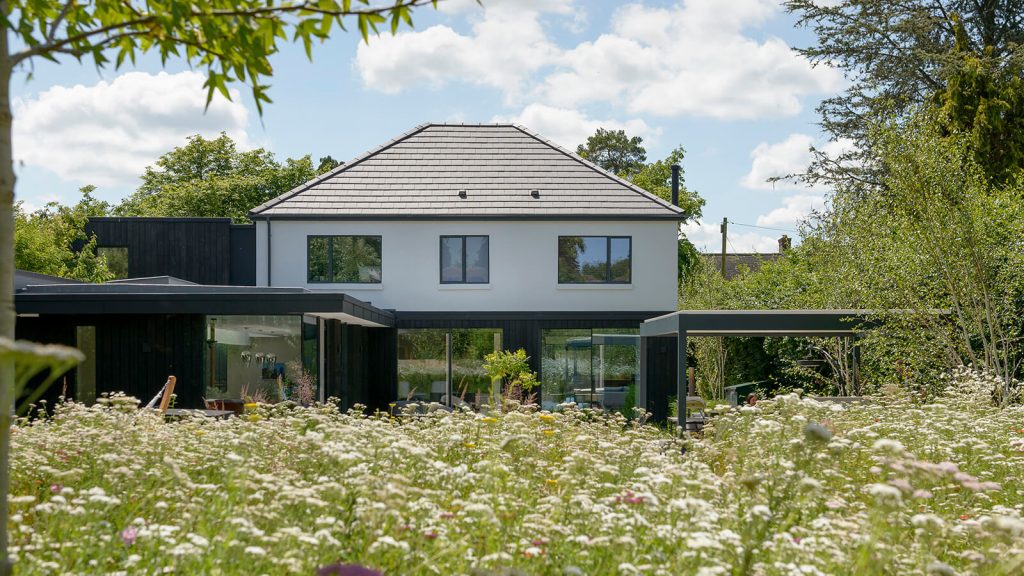
    The development features a stunning infinity pool that blends aesthetic elegance with relaxation. Residents can enjoy breathtaking views while swimming or lounging, creating a serene environment that complements the surrounding greenery.

    Children’s Pool

    A dedicated children’s pool ensures that younger residents have a safe space to play and swim. Parents can relax nearby while keeping an eye on their children, making aquatic activities safe and enjoyable for the whole family.

    Jacuzzi and Hydrotherapy

    Jacuzzi and hydrotherapy facilities provide residents with options for relaxation, stress relief, and muscle recovery. These features enhance wellness by promoting circulation, reducing tension, and supporting overall health.

    Fitness Centers and Gyms

    Fully Equipped Gym

    The gym at Lentor Gardens Residences includes modern equipment for cardiovascular, strength, and functional training. Residents can maintain fitness routines without leaving the convenience of their home environment.

    Yoga and Pilates Studios

    Dedicated spaces for yoga and Pilates encourage flexibility, mindfulness, and stress reduction. Classes or self-practice in these serene studios contribute to mental and physical well-being.

    Outdoor Fitness Zones

    Outdoor gyms and exercise stations provide residents with fresh air and a natural environment for workouts. Open-air fitness encourages active lifestyles and interaction with the community while promoting sustainable exercise habits.

    Recreational Areas and Sports Facilities

    Multipurpose Courts

    Tennis, basketball, and badminton courts are available for residents of all ages. Multipurpose courts encourage sports participation, social engagement, and skill development.

    Jogging and Cycling Paths

    Lentor Gardens Residences features landscaped jogging and cycling paths that wind through green spaces. These paths encourage cardiovascular exercise while allowing residents to enjoy nature within the community.

    Children’s Playgrounds

    Safe and interactive playgrounds provide children with opportunities to play, socialize, and develop motor skills. The design of these areas prioritizes safety, accessibility, and fun, ensuring a family-friendly environment.

    Relaxation and Leisure Amenities

    Clubhouse and Lounge Areas

    The clubhouse serves as a hub for social activities, workshops, and gatherings. Lounge areas within the development provide residents with comfortable spaces to relax, read, or meet friends.

    Meditation and Wellness Spaces

    Quiet zones and meditation gardens promote mindfulness and relaxation. Residents can escape the demands of urban life, practicing meditation or reflection in tranquil surroundings.

    Landscaped Gardens and Outdoor Retreats

    Green spaces, courtyards, and landscaped gardens create natural retreats for residents. These areas encourage outdoor activities, reduce stress, and provide aesthetic enjoyment for all age groups.

    Community Engagement Through Wellness

    Group Classes and Fitness Programs

    The development often facilitates fitness classes, wellness workshops, and recreational events. Group activities foster community interaction, promote healthy lifestyles, and encourage consistent participation in wellness routines.

    Family and Social Activities

    Community events, including family-oriented sports, holiday celebrations, and recreational tournaments, strengthen neighborly bonds. Residents enjoy a vibrant social environment that enhances quality of life.

    Inclusive Facilities for All Ages

    Facilities cater to all age groups, from toddlers in play areas to seniors in low-impact fitness zones. This inclusivity ensures that wellness is accessible and enjoyable for every resident.

    Health and Well-Being Benefits

    Physical Health

    Regular access to gyms, pools, and sports facilities supports cardiovascular fitness, strength, flexibility, and overall physical health. Residents can maintain consistent exercise routines without leaving the premises.

    Mental Wellness

    Meditation spaces, landscaped gardens, and tranquil pools provide stress relief and mental rejuvenation. Wellness facilities contribute to emotional stability and reduce the pressures of urban living.

    Social Well-Being

    Recreational amenities encourage interaction among residents, building a strong sense of community. Shared activities and social engagement improve overall happiness and contribute to a supportive living environment.

    Long-Term Lifestyle Advantages

    Enhancing Property Value

    Properties with extensive wellness and recreational facilities are highly desirable in the market. Amenities at Lentor Gardens Residences enhance lifestyle quality and increase appeal for both owners and potential tenants.

    Promoting Sustainable Healthy Living

    By integrating outdoor spaces, cycling paths, and eco-friendly fitness areas, the development encourages a sustainable approach to health. Residents benefit from regular physical activity in harmony with nature.

    Family-Oriented Lifestyle

    Wellness amenities cater to all family members, supporting children’s development, adult fitness, and senior well-being. The community’s design ensures that every generation enjoys health and recreation opportunities.

    Conclusion: A Community Focused on Wellness

    Lentor Gardens Residences redefines modern living by prioritizing wellness and recreation. From swimming pools and gyms to landscaped gardens and meditation spaces, every facility is designed to enhance physical, mental, and social well-being. Residents enjoy convenience, safety, and luxury while actively pursuing a healthy lifestyle. The integration of recreational and wellness amenities fosters a balanced, vibrant, and family-friendly community. For those seeking a residence that combines comfort, luxury, and well-being, Lentor Gardens Residences offers an exceptional lifestyle focused on holistic health and recreation.

  • How We Made Our House Extension Eco-Friendly

    How We Made Our House Extension Eco-Friendly

    When we decided to add a garden room extension last year, I knew from the start that sustainability had to be at the heart of every decision. I’ve spent the last decade trying to reduce our household’s environmental impact, and it felt utterly wrong to compromise on that just because we needed more space. The roof, surprisingly, became one of the most interesting parts of the project in terms of making genuinely green choices.

    Why Roofing Matters for Sustainability

    I’ll be honest, I’d never given much thought to roofs beyond keeping the rain out. But when you start looking into it, the environmental impact is significant. Traditional roofing materials often involve energy-intensive manufacturing processes, questionable extraction methods, and terrible end-of-life disposal issues. Plus, poorly designed roofs contribute to heat loss in winter and overheating in summer, meaning more energy wasted on heating and cooling.

    The more I researched, the more I realised this was an area where we could make choices that actually mattered, rather than just ticking a token eco-box.

    Finding the Right Advice

    I spoke to several contractors initially, and most just wanted to slap on whatever standard materials they always used. The conversations felt frustratingly superficial and I felt like I was being so misled. Then someone recommended roofing-luton.com, and honestly, it was night and day compared to previous discussions.

    They actually listened when I explained our priorities around sustainability. Rather than dismissing it as awkward or expensive, they talked through genuinely viable options that would work for our budget and our building. It felt collaborative rather than me having to push against resistance the whole time.

    Green Roof Options We Considered

    A living roof was my initial dream. The idea of having sedum and wildflowers on top of our extension appealed enormously, both aesthetically and environmentally. Living roofs provide incredible insulation, manage rainwater beautifully, create habitat for insects and birds, and just look stunning.

    The advice I got was refreshingly pragmatic though. Our extension roof had limited load-bearing capacity, and retrofitting it to support the weight of a living roof would have been prohibitively expensive. Rather than just saying no, they suggested we design the structure to accommodate a living roof if we wanted to add one in future, which felt like a sensible compromise.

    What We Actually Chose

    We ended up going with a combination approach that balanced environmental impact with practicality. The main roofing membrane is EPDM rubber, which has a significantly longer lifespan than traditional felt – we’re talking thirty years plus. That longevity matters because it means less frequent replacement and less waste ending up in landfill.

    EPDM is also recyclable at end of life, unlike many roofing materials that just get skipped. The manufacturing process is less energy-intensive than some alternatives, and crucially, it doesn’t involve the toxic chemicals you find in some waterproofing systems.

    We maximised insulation using sheep’s wool rather than synthetic alternatives. It performs beautifully thermally, it’s a renewable resource, and it doesn’t involve the environmental cost of producing foam or mineral wool insulation. Yes, it cost slightly more, but the performance and sustainability credentials made it worthwhile for us.

    Solar Integration

    The extension roof faces south, and it seemed ridiculous not to make use of that. We’ve installed solar panels that generate a decent proportion of our electricity needs. On sunny days we’re often exporting power back to the grid, which feels genuinely satisfying.

    Integrating solar from the start meant we could design the roof structure to accommodate the mounting system properly, rather than trying to retrofit panels later. The roofing team worked with the solar installer to coordinate everything, which prevented the usual issues of different trades blaming each other when things don’t quite fit.

    Rainwater Harvesting

    We’ve set up rainwater collection from the new roof that feeds into a water butt system for the garden. It’s a simple addition but makes a tangible difference to our water usage, particularly during summer when we’re watering vegetables and flower beds.

    The roof design incorporated proper guttering and downpipes from the start, positioned to make water collection straightforward. These small details matter when you’re trying to create genuinely sustainable systems rather than just adding tokenistic green features.

    The Reality of Sustainable Choices

    I won’t pretend everything was straightforward or that sustainable options are always cheaper. In some cases, we paid a premium for materials with better environmental credentials. But the long-term view matters here – better insulation means lower heating bills indefinitely, solar panels generate free electricity for decades, and durable materials mean less frequent replacement.

    Some compromises were necessary too. We couldn’t afford every single eco-option we’d have liked. But making informed choices about where to prioritise sustainability, based on genuine expert advice rather than marketing waffle, meant we could focus our budget on things that would have the most impact.

    What I’d Tell Others

    If you’re planning any roofing work and care about environmental impact, push contractors to engage seriously with sustainable options. Don’t accept “that’s just how we do things” as an answer. There are alternatives available now that weren’t viable even five years ago.

    Find professionals who actually understand sustainable building practices rather than just paying lip service to them. The difference in the quality of advice and the end result is substantial.

    Think long-term rather than just upfront costs. Yes, better materials and more insulation cost more initially, but the lifespan, performance, and reduced running costs make them worthwhile investments.

    The Bigger Picture

    Our roof is obviously just one small part of addressing climate impact, but these individual choices add up. If more people demanded sustainable options for building work, the industry would shift to make them standard rather than special requests.

    I’m genuinely pleased with how our extension roof turned out. It performs well, it’ll last for decades, and it aligns with our values around trying to reduce environmental harm. That matters to me, even if it’s just a roof on one small extension in one ordinary house.

  • Terra Hill: Premium Freehold Residences in the Heart of Pasir Panjang

    Terra Hill: Premium Freehold Residences in the Heart of Pasir Panjang

    Introduction: Where Modern Luxury Meets Nature

    Terra Hill is a luxurious freehold residential development situated in the serene Pasir Panjang neighborhood of Singapore. Developed by Hoi Hup Realty in partnership with Sunway Developments, Terra Hill combines modern architectural aesthetics with natural hillside beauty. Designed for families, professionals, and investors seeking a balanced lifestyle, Terra Hill offers an exceptional living experience that seamlessly merges comfort, convenience, and elegance. Explore Terra Hill at https://www.terrahills.sg/.

    Prime Location with Connectivity Advantages

    Terra Hill enjoys a strategic location along Yew Siang Road, within walking distance to Pasir Panjang MRT station on the Circle Line. This ensures effortless access to Singapore’s business hubs, shopping districts, and recreational facilities. The nearby Ayer Rajah Expressway (AYE) and West Coast Highway provide convenient driving routes, connecting residents to Changi Airport, Tuas, and other major areas. The location perfectly balances tranquility with urban accessibility, making it ideal for both daily commuting and leisure activities.

    Thoughtful Hillside Architecture

    Terra Hill is designed on a sprawling 208,443 square feet hillside site, with nine five-storey blocks arranged to optimize ventilation, sunlight, and privacy. The development’s low-rise, low-density configuration ensures that every unit benefits from unobstructed views and cross ventilation. Landscape features, including terraced gardens, walking paths, and elevated greenery, enhance the development’s natural charm while providing a sense of privacy and serenity for all residents.

    Versatile Unit Options for Every Lifestyle

    Terra Hill offers a range of units, from two-bedroom apartments to five-bedroom family units and premium penthouses. Each layout maximizes space, light, and airflow, with expansive windows and well-planned interiors. Balconies and terraces offer scenic views of the surrounding greenery, creating a harmonious connection with nature. Terra Hill’s unit diversity caters to singles, couples, families, and multi-generational households, providing both flexibility and luxury.

    Resort-Style Facilities for Relaxation and Wellness

    Residents of Terra Hill enjoy access to a variety of amenities designed for leisure, fitness, and social engagement. A 50-meter lap pool, jacuzzi, and aqua gym cater to health-conscious residents, while landscaped gardens, terraces, and BBQ pavilions offer spaces for relaxation and gatherings. The clubhouse provides venues for private events or community activities. These amenities collectively create a lifestyle that combines comfort, recreation, and social interaction in a resort-like environment.

    Smart Home Features and Sustainable Design

    Terra Hill integrates smart home technology to enhance convenience and security. Features such as biometric access, remote-controlled lighting, and automated air-conditioning systems simplify everyday living. Sustainable initiatives include energy-efficient lighting, green rooftops, and eco-friendly landscaping. By incorporating technology and sustainability, Terra Hill ensures a contemporary lifestyle that is both comfortable and environmentally responsible, appealing to modern homeowners.

    Surrounded by Nature and Green Spaces

    The development’s hillside location provides residents with a unique connection to nature. Terra Hill is close to Kent Ridge Park and other green corridors, offering opportunities for outdoor exercise, walking, jogging, and cycling. The elevated position ensures fresh air, panoramic views, and a peaceful environment, creating an ideal sanctuary away from the city’s bustle while still being conveniently connected to urban amenities.

    Educational and Lifestyle Amenities Nearby

    Families benefit from Terra Hill’s proximity to reputable schools, making daily commutes easier for children and parents alike. Lifestyle conveniences, including supermarkets, food centers, restaurants, and shopping destinations like VivoCity, are easily accessible. Residents enjoy a seamless lifestyle where daily essentials, leisure options, and educational facilities are all within reach, adding convenience and value to the living experience at Terra Hill.

    Investment Potential and Freehold Advantage

    Terra Hill’s freehold status adds significant long-term investment value. The combination of prime location, quality construction, and limited units enhances its appeal for investors and homeowners alike. With the Pasir Panjang region evolving and projects like the Greater Southern Waterfront underway, Terra Hill is well-positioned for future capital appreciation. Both buyers seeking a residence and investors seeking rental opportunities can benefit from this highly sought-after property.

    Conclusion: Terra Hill as the Ideal Choice in Pasir Panjang

    Terra Hill offers a unique combination of luxury, convenience, and natural tranquility. Its thoughtfully designed hillside architecture, comprehensive amenities, smart features, and prime location make it a standout choice for those seeking a modern and serene lifestyle in Singapore. Terra Hill exemplifies premium freehold living, making it an ideal home and a valuable investment. For more information, visit Terra Hill at https://www.terrahills.sg/.

  • Wellness Living in Singapore: Redefining Luxury Residences

    Wellness Living in Singapore: Redefining Luxury Residences

    Modern luxury in Singapore is evolving beyond aesthetics and location. Today’s discerning homeowners seek residences that prioritize holistic wellbeing, combining design, amenities, and lifestyle choices to support physical, mental, and social health. Newport Residences exemplifies this trend, offering an urban sanctuary where wellness and sophistication coexist seamlessly.

    Read Also: Commercial cleaning services

    The Rise of Wellness-Oriented Luxury Homes

    Wellness has become a defining feature of high-end residential developments. Beyond spacious interiors and premium finishes, homeowners increasingly prioritize spaces and amenities that encourage active, balanced, and mindful living.

    Newport Residences embodies this philosophy by integrating health-focused features, landscaped outdoor areas, and thoughtfully designed communal spaces. The development ensures that residents can maintain a healthy lifestyle without sacrificing convenience or luxury.

    Fitness and Active Living Amenities

    Physical wellbeing is a core component of wellness living. High-end developments now incorporate state-of-the-art fitness facilities, swimming pools, yoga terraces, and jogging paths to support active lifestyles.

    At Newport Residences, residents enjoy access to modern fitness centers, rooftop yoga zones, and dedicated swimming areas. These amenities encourage regular exercise while fostering community engagement in a serene, well-designed environment.

    Mental Wellness Through Design and Nature

    Mental wellbeing is increasingly prioritized in luxury residences. Natural light, open spaces, greenery, and calming architectural elements contribute to stress reduction and a sense of tranquility.

    Newport Residences integrates landscaped gardens, rooftop terraces, and outdoor seating areas that promote relaxation and mindfulness. By connecting residents with nature, the development nurtures mental clarity and emotional balance, enhancing overall quality of life.

    Holistic Lifestyle Integration

    Wellness-focused residences extend beyond physical and mental health to include social, nutritional, and recreational wellbeing. Spaces for gatherings, creative activities, and wellness workshops contribute to a balanced lifestyle.

    Newport Residences offers versatile communal areas where residents can host small social gatherings, participate in wellness programs, or engage in leisure activities. This holistic approach ensures that wellness permeates every aspect of urban living.

    Sustainable and Healthy Living Environment

    A sustainable environment supports personal wellbeing. Eco-conscious building practices, energy-efficient systems, and clean air circulation create healthier living spaces.

    Newport Residences emphasizes green architecture, sustainable materials, and energy-efficient systems. By combining luxury with environmental responsibility, residents enjoy cleaner, healthier surroundings while contributing to a sustainable urban future.

    Smart Technology for Health and Convenience

    Smart home technology complements wellness by enabling personalized control of lighting, climate, and security. Automated systems enhance comfort and reduce stress, supporting daily routines and promoting relaxation.

    At Newport Residences, smart solutions allow residents to tailor their environment for optimal wellness. From adjusting lighting for morning routines to controlling air circulation, technology seamlessly supports a balanced and convenient lifestyle.

    Community and Social Wellbeing

    Social connection is a key aspect of wellness living. Thoughtfully designed communal spaces foster interaction, collaboration, and a sense of belonging among residents.

    Newport Residences provides residents with lounges, communal terraces, and shared activity zones that encourage social engagement. These spaces help cultivate meaningful connections, reinforcing both social and emotional wellbeing.

    The Future of Wellness in Luxury Residences

    Wellness-focused design is becoming a standard expectation in luxury real estate. Developers who integrate health, sustainability, and technology create residences that resonate with modern lifestyles and long-term wellbeing goals.

    Newport Residences is at the forefront of this trend, offering a holistic living environment that merges luxury, convenience, and wellness. Its focus on design, amenities, and community ensures residents can thrive in mind, body, and spirit.

    Conclusion: Wellness as the Ultimate Luxury

    Luxury living today transcends opulent interiors and prime locations. True luxury integrates wellness, providing spaces that nurture physical health, mental clarity, social engagement, and sustainable living.

    Newport Residences represents this new era of wellness-oriented luxury in Singapore. By combining premium amenities, smart technology, green spaces, and a community-centric environment, it delivers a residential experience where wellness and sophistication coexist. For those seeking a holistic urban lifestyle, Newport Residences offers the ultimate blend of comfort, elegance, and health-focused living.

  • Scalp & Follicle Rescue: Reviving Growth in Textured Hair After Relaxer Damage

    Scalp & Follicle Rescue: Reviving Growth in Textured Hair After Relaxer Damage

    Chemical relaxers have long been part of many textured-hair routines, offering that sleek, straight look with reduced frizz and tangles. However, the repeated use of these products often comes at a cost—scalp irritation, weakened follicles, and stunted growth. This article is a friendly yet research-based guide for anyone who has chemically straightened their hair and is now struggling with breakage, thinning, or a lack of volume. Whether you’re transitioning away from relaxers or simply seeking to restore vitality to your mane, understanding the science behind relaxer damage and recovery will help you make smarter choices for lasting growth and scalp health.
    Straight Hair Extensions and Follicle Recovery

    When it comes to textured hair—especially tightly coiled or kinky strands—the follicle naturally grows in a curved shape. This curvature creates that signature body and movement, but it also makes the hair more fragile when exposed to chemical relaxers. Over time, repeated straightening weakens the strand’s inner bonds and can leave the scalp irritated or inflamed. Many women transitioning from chemical treatments find that blending their natural tresses with Relaxed Straight Hair Extensions helps maintain a sleek, polished look while allowing the follicles to rest and repair. By easing daily manipulation, these extensions support the scalp’s recovery process and help preserve the hair’s natural strength during regrowth.

    As the scalp heals, focusing on moisture balance and gentle care becomes essential. Avoiding tight styles, excessive heat, or overlapping chemical treatments gives the follicles a chance to regain their natural rhythm, encouraging thicker, healthier growth over time. Regular deep conditioning with nourishing ingredients like shea butter, avocado oil, or hydrolyzed protein helps rebuild elasticity and reduce brittleness. It’s also helpful to massage the scalp two to three times a week with lightweight oils such as jojoba or castor oil to boost circulation and stimulate new growth.

    Straight Sew-In Weave and the Role of Scalp Health

    Healthy growth starts at the scalp. After consistent chemical treatments, the scalp’s pH balance can become disrupted, leading to irritation, burns, and chronic inflammation. These conditions reduce the scalp’s ability to nourish hair follicles, affecting overall density and growth potential. Restoring this balance involves gentle cleansing, deep conditioning, and stimulating blood flow through scalp massages or herbal oil treatments such as peppermint, rosemary, or tea tree oil.

    Once the scalp is calm and the follicles begin to recover, low-manipulation styles become crucial for maintaining progress. Here’s where a Relaxed Straight Sew-In Weave can play a major role. It allows you to keep a polished, straight look while letting your natural tresses rest beneath the weave. The style also minimizes daily handling and protects the new growth from harsh weather or over-styling. The key is ensuring proper installation and taking breaks between sew-ins to keep the scalp breathable and prevent traction alopecia.

    To further support scalp recovery, it’s helpful to:

    • Avoid overlapping relaxer applications on previously treated hair.
       
    • Use sulfate-free, moisturizing shampoos to maintain hydration.
       
    • Incorporate weekly scalp exfoliation to remove product buildup and dead skin cells.
       

    Nutritional and Treatment Support for Healthy Growth

    Reviving growth after relaxer damage isn’t just about topical care—it starts from within. Follicles depend on a steady supply of nutrients, proteins, and healthy fats to rebuild strength. A balanced diet rich in vitamins A, C, D, E, zinc, and biotin supports stronger, more resilient tresses. Protein is particularly vital, as it helps repair keratin bonds weakened by chemical straighteners.

    Alongside diet, topical protein and moisture treatments can make a remarkable difference. Alternate between moisture-rich deep conditioners and light protein masks every other week to maintain elasticity and prevent brittleness. Hydration keeps the mane supple, while protein fortifies the strand’s inner structure.

    Timing between relaxer sessions also matters significantly. Experts suggest waiting a minimum of 10–12 weeks between treatments to allow new growth to strengthen before another chemical process. This approach reduces overlapping and breakage, allowing your mane to thrive even if you choose to continue relaxing your hair.

    Bullet-point routine suggestions for recovery:

    • Every wash: Use moisturizing shampoo and conditioner.
       
    • Weekly: Apply scalp oil massage to stimulate blood flow.
       
    • Bi-weekly: Use deep conditioning masks.
       
    • Monthly: Trim split ends to maintain healthy growth.
       

    Knowing When to Seek Professional Help

    While home care can go a long way, there are times when professional intervention is essential. If you notice sudden, patchy hair loss, scabs, or persistent inflammation, it’s time to consult a trichologist or dermatologist. These specialists can diagnose underlying scalp conditions such as relaxer-induced alopecia, fungal infections, or contact dermatitis that may be impeding growth.

    A trichologist can also recommend medical-grade treatments like topical minoxidil, corticosteroid injections, or platelet-rich plasma (PRP) therapy, depending on the severity of follicle damage. Early intervention ensures that dormant follicles are revived before permanent scarring occurs.

    Professionals can also help create a personalized regimen that combines nutrition, scalp therapy, and protective styling to maximize regrowth. If you’re unsure whether what you’re experiencing is normal post-relaxer shedding or something more serious, seeking expert advice early can save you years of trial and error.

    FAQs: Your Post-Relaxer Growth Questions Answered

    Q1: Can chemically relaxed hair ever return to its natural texture?
    No, once hair is chemically straightened, its internal bonds are permanently altered. However, new growth will always emerge in your natural texture.

    Q2: How can I tell if my scalp has been damaged by relaxers?
    Look for symptoms such as burning, flaking, sores, or tenderness. Persistent irritation suggests chemical imbalance or follicle inflammation.

    Q3: What’s the best oil for recovering scalp health after relaxers?
    Natural oils like jojoba, castor, and peppermint help nourish the scalp, balance sebum levels, and stimulate circulation for healthier growth.

    Q4: How long does it take to notice regrowth after stopping relaxers?
    On average, with consistent care, you may see noticeable improvement in 8–12 weeks. However, full density recovery can take 6–12 months depending on the extent of damage.

    Q5: Can protective styles like sew-ins cause more harm than good?
    Only if installed too tightly or worn for prolonged periods. Allow your scalp to rest between installs and always ensure the weave is clean and dry underneath.

    Final Thoughts
    Rebuilding your tresses after chemical relaxer damage takes time, patience, and mindful care. By focusing on scalp health, balanced nutrition, and low-manipulation styling options like relaxed straight hair extensions or a relaxed straight sew-in weave, you can restore your mane’s strength, shine, and fullness. Think of recovery not as starting over—but as starting smarter, with a deeper understanding of what your hair truly needs to thrive.

  • The Continuum: A New Era of Freehold Brilliance in District 15

    The Continuum: A New Era of Freehold Brilliance in District 15

    Among Singapore’s modern developments, few manage to strike the perfect balance between contemporary design and lasting legacy — and that’s exactly what The Continuum achieves. Nestled along Thiam Siew Avenue, this freehold icon by Hoi Hup Realty and Sunway Developments stands as a symbol of thoughtful luxury and enduring value. In a market where time-limited leases dominate, The Continuum’s permanence makes it an unrivaled investment and an aspirational address for generations to come.
    Read Also: Real estate appraisals

    The Pinnacle of Location and Connectivity

    The Continuum enjoys an enviable position in District 15 — one of Singapore’s most desirable and dynamic residential zones. This location perfectly connects the serenity of East Coast living with the pulse of urban convenience. A short drive leads to the Central Business District, Marina Bay, or Changi Airport via major expressways such as the East Coast Parkway and PIE. With the upcoming Tanjong Katong MRT station within walking distance, residents gain direct access to Singapore’s expanding rail network. It’s a location designed for people who want everything within reach while still enjoying the peaceful charm of the East.

    The Continuum: Developed by Masters of Excellence

    The collaboration between Hoi Hup Realty and Sunway Developments has produced some of the most distinguished properties in Singapore — and The Continuum is no exception. Both developers are known for pushing architectural boundaries while maintaining a commitment to craftsmanship, quality, and sustainability. Their expertise shines through in every aspect of this project, from the grand entrance and landscaping to the fine interior detailing. The Continuum represents not just modern architecture, but the legacy of two trusted names in property innovation.

    Architecture That Embodies Flow and Freedom

    Every inch of The Continuum has been designed with purpose and precision. Its distinctive twin-plot concept, linked by a stunning sky bridge, symbolizes continuity and unity — a reflection of its name and philosophy. The façade’s clean geometry, subtle metallic tones, and lush greenery create an elegant urban silhouette that feels both futuristic and timeless. Natural ventilation and open spaces ensure that residents enjoy a refreshing, airy environment year-round. The Continuum’s design doesn’t just impress visually — it enhances the rhythm of daily life.

    Interiors That Redefine Modern Sophistication

    Inside The Continuum, every home tells a story of refinement and functionality. The interiors are finished with high-quality materials, warm neutral tones, and generous layouts that maximize light and space. Thoughtful touches — from full-height windows to elegant built-in storage — elevate everyday comfort. Smart home features add a modern edge, allowing residents to control their environment with a tap or voice command. The result is a space that feels effortlessly luxurious and intuitively practical — a home built to adapt to its residents’ evolving lifestyles.

    Amenities That Transform Daily Living

    Living at The Continuum means more than owning a home; it means stepping into a lifestyle of curated comfort. The development boasts an array of facilities designed to rejuvenate both body and mind. A tranquil infinity pool, landscaped gardens, and rooftop lounges offer serenity amid the bustle of the city. Fitness enthusiasts can enjoy fully equipped gyms and outdoor exercise zones, while families can relax in play areas and open courtyards. Every feature at The Continuum encourages relaxation, connection, and community — creating an environment that residents never want to leave.

    A Family-Oriented Haven

    For families, The Continuum offers the ideal combination of security, convenience, and quality living. Its location places residents near prestigious schools such as Kong Hwa School, Haig Girls’ School, and Tanjong Katong Primary. Child-friendly amenities within the development make family life smoother and more enjoyable. Beyond its walls, the East Coast neighborhood provides everything from family-run cafes to seaside parks, giving children the space to grow and explore safely. The Continuum is more than a place to live — it’s a foundation for meaningful family moments and long-lasting memories.

    The Strength of Freehold Ownership

    In Singapore’s ever-evolving property market, freehold developments like The Continuum are exceptionally rare — and deeply valuable. Freehold ownership provides a sense of permanence, independence, and long-term financial security. Unlike 99-year leasehold projects that depreciate over time, The Continuum offers enduring worth. For investors, that means stable appreciation and a reliable legacy asset. For homeowners, it means peace of mind knowing their property will remain theirs forever — an inheritance that transcends generations.

    The Cultural Soul of the East Coast

    What makes The Continuum truly special is its setting in one of Singapore’s most iconic neighborhoods. Katong and Joo Chiat have long been known for their distinctive blend of heritage and modernity. Colorful shophouses, traditional eateries, and artfully restored buildings create a nostalgic charm that’s becoming increasingly rare in today’s urban landscape. At the same time, the district continues to evolve, with new restaurants, boutiques, and lifestyle spots breathing life into its streets. The Continuum sits perfectly within this balance — preserving tradition while embracing progress.

    Sustainability and Smart Living for the Future

    The Continuum represents more than luxury — it represents responsibility. Every element of the development reflects a sustainable mindset, from energy-efficient lighting and water-saving fixtures to landscaped green spaces that encourage biodiversity. Smart home technology enhances comfort while promoting efficiency. This marriage of innovation and sustainability ensures that The Continuum remains as relevant to the future as it is luxurious today. It’s a residence that respects both its inhabitants and the environment it inhabits.

    A Rare Investment Opportunity

    As property values in District 15 continue to climb, The Continuum offers an unmatched opportunity for both end-users and investors. Its freehold status, prime location, and developer credibility combine to create a resilient investment with strong appreciation potential. The upcoming transformation of the East Coast area — including improved connectivity and lifestyle infrastructure — will only enhance its value. Whether as a home or a portfolio addition, The Continuum represents a smart choice grounded in long-term growth.

    The Continuum: Where Legacy Lives Forever

    The Continuum is more than a development; it’s an expression of timeless luxury, thoughtful design, and generational value. It brings together the best of architecture, location, and lifestyle in one cohesive masterpiece. With its freehold advantage, sustainable design, and unrivaled East Coast setting, it offers not just a place to live — but a statement of what it means to live exceptionally. For those who believe in permanence over passing trends, The Continuum isn’t just an address — it’s a legacy written in stone.

  • Plate Testing: Essential Ground Investigation for Safe Construction Projects

    Plate Testing: Essential Ground Investigation for Safe Construction Projects

    Plate load testing represents a fundamental site testing method in civil engineering, providing reliable data about the strength and bearing capacity of ground conditions. At Site Testing Services (Nationwide) Ltd, we understand that successful construction projects depend on comprehensive ground investigation, and plate bearing tests deliver the reliable results needed to ensure the project’s success. This in situ test method has become indispensable for evaluating whether sites have sufficient bearing capacity to support construction equipment, temporary structures, and permanent foundations.

    Understanding Plate Load Testing and How It Works

    Plate load testing, also known as the plate bearing test, is an in situ test that measures the bearing capacity and settlement characteristics of soil or construction materials under controlled loading conditions. The test measures how the ground responds to increasing load applied through a circular steel plate, providing valuable insights into deformation characteristics and safe bearing capacity at the test location.

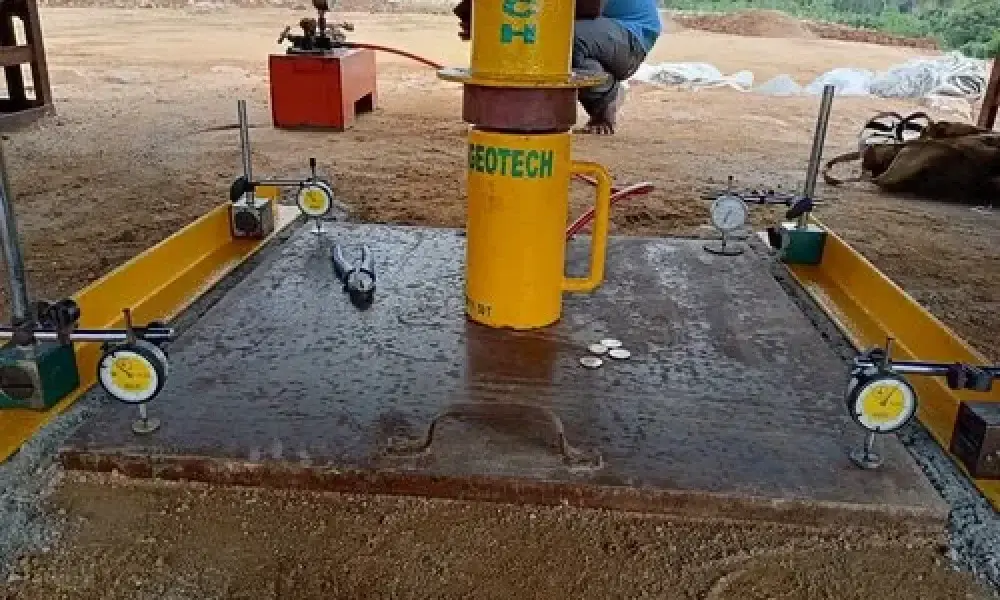
    Plate testing involves placing a steel plate directly onto the prepared ground surface and applying load increments through a hydraulic jack while monitoring settlement. The loading plate, typically a circular steel plate with standardised plate diameter options ranging from 300mm to 750mm, distributes the applied load across a defined area. As the load is applied progressively, dial gauges or electronic sensors measure vertical displacement, creating a graphical representation of the load-settlement relationship.

    This test measures the subgrade reaction and strain modulus of the ground, which are critical design parameters for civil engineering purposes. The data collected helps engineers determine the ultimate bearing capacity and predict likely settlement under various loading scenarios, from crane outriggers to heavy tracked plant operations.

    The Plate Bearing Test Procedure

    Professional plate bearing test work begins with careful preparation of the test location. The test area must represent typical ground conditions for the project, with the surface levelled and any loose material removed. For working platform construction or granular layer assessment, testing may occur at different depths within a shallow pit to evaluate conditions at specific levels.

    The test plate, usually a rigid bearing plate made of steel, is positioned on the prepared surface. A reaction load system provides the necessary resistance for the hydraulic jack to apply force against. This reaction load required can be supplied by various means, including kentledge (dead weight), a piling rig, or anchored beams, depending on the maximum applied load needed and site constraints.

    Load increments are applied systematically, with each increment maintained until settlement stabilises before proceeding to the next level. The load applied at each stage is recorded along with corresponding settlement readings from multiple dial gauges positioned around the test plate. This process continues until reaching the maximum applied load specified in the testing program or until excessive settlement occurs.

    Modern plate load testing equipment allows test results to be analysed electronically, providing immediate feedback and same-day provisional data. This enables rapid quality control decisions and reduces construction risk by identifying ground conditions issues before major construction activities commence.

    Applications in Construction and Civil Engineering

    Plate testing serves numerous civil engineering purposes across diverse construction projects. One primary application involves assessing working platforms for construction equipment. When contractors need to bring heavy machinery, including mobile cranes with crane outriggers or tracked plant, onto a site, plate bearing tests verify that the platform construction provides adequate support. The test measures whether crane pads and working platforms have sufficient bearing capacity to prevent excessive settlement that could compromise equipment stability and site safety.

    For temporary structure design, plate load testing provides essential design parameters. Construction sites often require temporary access roads, storage areas, or support structures that must safely carry a given load without failing. The bearing pressure data obtained through plate testing ensures these temporary installations meet safety requirements while remaining cost-effective.

    The relationship between plate bearing test results and California Bearing Ratio (CBR test) values provides additional utility. Engineers can derive an equivalent CBR value from plate testing data, enabling correlation with pavement design standards. This dual functionality makes plate testing particularly valuable for road construction and working platform construction projects involving granular materials.

    Foundation design for permanent structures also benefits from plate load testing. The test results reveal settlement characteristics and bearing capacity of the ground at proposed foundation levels, informing decisions about foundation type, size, and depth. Understanding deformation characteristics helps engineers predict long-term settlement behaviour and design appropriate foundation solutions.

    Advantages of In Situ Plate Testing

    Conducting plate bearing tests as in situ site conditions testing offers significant advantages over laboratory-based methods. Testing ground in its natural state, including existing moisture content, density, and stress conditions, provides more representative, reliable data than laboratory samples that may be disturbed during collection and preparation.

    The plate size can be selected to match specific project requirements, with larger plate diameter options used when assessing capacity for heavy loads or when investigating deeper soil influence zones. This flexibility allows tailoring the test work to project-specific needs, whether evaluating shallow granular layers or deeper foundation conditions.

    Plate testing delivers accurate and reliable data relatively quickly, with many tests completed and analysed electronically within the same day. This rapid turnaround supports efficient project scheduling and enables timely decision-making. The cost-effective nature of plate bearing tests, compared to more extensive ground investigation methods, makes them accessible for projects of various scales.

    The graphical representation produced from test results provides an intuitive visualisation of ground behaviour. Load-displacement curves clearly show how settlement progresses with increasing load, helping identify the safe bearing capacity where settlement remains acceptable. This visual data supports communication between site testing professionals, design engineers, and construction teams.

    Technical Considerations and Quality Assurance

    Achieving reliable results from plate load testing requires attention to numerous technical factors. The test location must be carefully selected to represent typical ground conditions for the construction area. For working platforms, testing should occur after the granular layer has been properly compacted and before construction equipment operations begin.

    The reaction load required must be sufficient to apply the maximum applied load safely and stably. The hydraulic jack and supporting framework must be positioned to ensure vertical load application without eccentric loading that could skew test results. Proper calibration of measurement instruments, whether traditional dial gauges or electronic sensors, ensures data accuracy.

    Quality control procedures verify that test work follows established standards and protocols. At Site Testing Services (Nationwide) Ltd, our experienced team ensures every plate bearing test measures ground response accurately, following best practices for equipment setup, load application, and data recording. This attention to quality control minimises construction risk and provides confidence in the bearing capacity assessments used for critical project decisions.

    Conclusion

    Plate testing remains an essential tool for evaluating the capacity of the ground across diverse construction projects. Whether assessing working platforms for crane outriggers, verifying adequate support for tracked plants, or determining design parameters for civil engineering structures, plate load testing provides the accurate and reliable data needed for informed decision-making.

    At Site Testing Services (Nationwide) Ltd, we deliver comprehensive site testing services, including plate bearing tests that provide valuable insights into ground conditions. Our cost-effective testing solutions, available with same-day results that can be analysed electronically, support the project’s success by identifying potential issues before they become costly problems. Understanding how the plate bearing test works and applying this knowledge appropriately ensures construction projects proceed safely on ground with sufficient bearing capacity for their intended purpose.

  • The VOOPOO ARGUS P3: Where a 2.01″ Touchscreen Meets Mini BOX Design

    The VOOPOO ARGUS P3: Where a 2.01″ Touchscreen Meets Mini BOX Design

    A significant leap forward now arrives in the vaping industry. Building upon the iconic industrial design, the new ARGUS P3 features an even more compact body that rests perfectly in one hand. It emerges as a masterpiece of user-centric innovation, featuring key breakthroughs: a large 2.01″ display for real-time vaping data, one-touch power control, and extensive settings options — all powered by a significantly larger battery and boosted output for a definitive leap in performance.

    Distinctive Style, Sculpted Form

    The ARGUS P3 is a game-changer, featuring a 2.01” TFT touch screen with engaging interaction design. It offers 18 customizable interfaces, gradually being unlocked as you use the device longer. It also allows DIY personalization to save preferred modes. This is complemented by real-time vaping data monitoring, one-touch power control, and extensive settings options, all accessible through the full touchscreen for effortless control. Even more impressively, Light Lab of ARGUS P3 provides two options, Party Mode and SOS Mode , each tailored to different usage scenarios, along with a practical child lock.

    The device makes a powerful style statement with its Mini BOX design, available in two stylish textures. The semi-transparent metal mechanical design reveals a glimpse of its sophisticated mechanical style, while the vintage leather texture exudes a sense of luxury and refinement.

    Pure Performance, Engineered to Endure

    ARGUS P3 introduces the VOOPOO’s first top-filled snap cartridge, the ARGUS Snap Cartridge, to the ARGUS Series. Maintaining full compatibility with the entire ARGUS POD family, the cartridge is revolutionized by the advanced iCOSM CODE 2.0 technology, which ensures 30-Day cleanness, steady smoothness, and 100 mL endurance.

    With a 1500 mAh battery and 30 W max output, ARGUS P3 delivers powerful performance. Users can adjust the output wattage directly through the full touch screen. The device also offers ultimate convenience with auto draw.

    Encased in an energetic yellow package of VOOPOO’s new brand color, the ARGUS P3 embodies a new brand vitality. VOOPOO invites you to embrace this definitive standard of performance and style, and experience the future of vaping.

    Warning: This product may be used with e-liquid products containing nicotine, which is a highly addictive substance.

    Shenzhen VOOPOO Technology Co.,Ltd
    Victor Liu
    victor@voopootech.com
    www.voopoo.com
    18501548754
    Shenzhen

  • Wall Decor Trends That Will Define the Next Decade

    Wall Decor Trends That Will Define the Next Decade

    Interior design moves in cycles, but every so often, we hit an inflection point where everything shifts. We’re standing at one of those moments right now. The wall decor trends emerging today aren’t just aesthetic preferences—they’re reflections of how we’re rethinking our relationship with our living spaces. After years of minimalism’s dominance and the subsequent maximalist rebellion, what’s coming next feels different. More intentional. More personal.

    The rise of luxury brand art is reshaping how people think about wall decor. We’re seeing a fascinating crossover where fashion and interior design intersect in ways that would have seemed gauche a decade ago. Louis Vuitton wall art, Chanel prints, and Hermès-inspired pieces aren’t just for boutiques anymore—they’re becoming statement pieces in residential spaces. This isn’t about logos plastered everywhere; it’s more sophisticated than that. People are drawn to the design language of these brands, the color palettes, the artistic heritage. A carefully chosen piece can anchor an entire room’s aesthetic while signaling cultural literacy rather than simple brand worship.

    Sustainability is moving beyond buzzword status into actual practice. The next decade will see a major shift toward reclaimed materials, upcycled frames, and artists who work with found objects. But here’s what’s interesting: sustainable wall art doesn’t look “eco” in the crunchy, earnest way it used to. Modern sustainable pieces are sleek, sophisticated, and often indistinguishable from traditional art until you learn their origin story. Gallery walls featuring reclaimed wood frames or prints on recycled materials are becoming status symbols in their own right.

    Digital art has finally earned its place on the wall. Not just through NFTs (which had their moment) but through high-quality digital frames that actually look like art rather than screens. The technology has caught up with the concept. These frames can rotate collections, adjust to lighting conditions, and display work from emerging digital artists. For collectors with limited wall space, this solves a real problem while opening up entirely new possibilities for what wall decor can be.

    Texture is making a dramatic comeback, but with more restraint than the macramé explosion of recent years. We’re talking about subtle bas-relief pieces, mixed media that plays with dimension, and artwork that demands to be experienced in person rather than through Instagram. This trend pushes back against our increasingly digital lives—these pieces don’t photograph well, and that’s precisely the point. They reward physical presence.

    Color is getting bolder, but in unexpected ways. The next decade won’t be about accent walls in trendy colors. Instead, we’re seeing people use wall art to introduce color in more dynamic, changeable ways. Large-scale abstract pieces in jewel tones, gradients that shift as light changes throughout the day, and unexpected color combinations that wouldn’t work in paint but somehow succeed in art form.

    Cultural fusion is moving beyond appropriation into genuine collaboration. Artists are blending influences in ways that feel authentic rather than borrowed. Wall decor is becoming a place where different cultural aesthetics meet, merge, and create something new. This isn’t about decorating with generic “ethnic” pieces—it’s about understanding and celebrating artistic traditions while pushing them forward.

    The next decade of wall decor will be defined by pieces that tell stories, respect their origins, and refuse to be ignored. Safe choices are out. Personality is everything.